


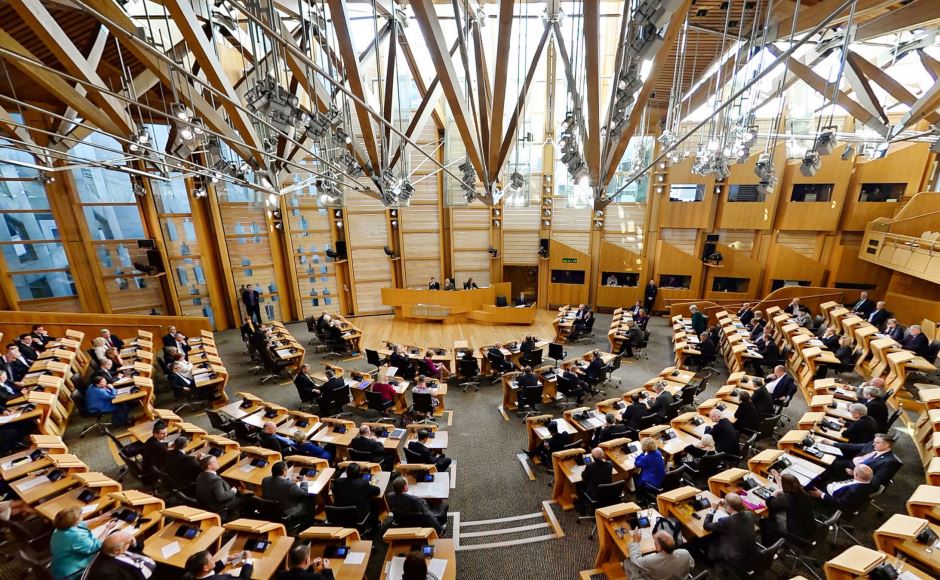
The Scottish Parliament has rejected the legalization of euthanasia on March 17 after a final vote that ended with 69 votes against and 57 in favor, according to the BBC. The proposal, promoted by Liberal Democrat Liam McArthur, sought to allow adults with terminal illnesses to receive «medical assistance» to end their lives.
A vote marked by the debate on coercion
The bill was ultimately rejected after an especially intense debate, in which opponents insisted on the risks to the most vulnerable people.
Among the main concerns expressed in Parliament were the danger of pressures—direct or indirect—on the sick, the lack of sufficient safeguards to prevent abuses, and the need to prioritize palliative care.
Some parliamentarians warned that there is no effective protection against coercion, while others emphasized that the lack of access to adequate care can condition patients’ real freedom.
A bill with restrictive conditions
The initiative provided that only adults with terminal illnesses, with full mental capacity and a life expectancy of less than six months, could access assisted death.
In addition, the procedure required several formal statements from the patient and medical evaluations to rule out external pressures. Despite these conditions, the text failed to garner enough support in the final vote.
The bishops had warned of the consequences
Before the vote, the bishops of Scotland expressed their «deep concern» about the bill, warning that it would represent a «grave violation of human dignity,» according to ACI Prensa.
In a pastoral letter, they pointed out that the country was at «a moment of profound moral consequences» and recalled their responsibility as «stewards of souls and protectors of human dignity.»
Call to the faithful and defense of life
The prelates urged Catholics to engage in the public debate: «Make your voice heard in defense of those who may not be able to speak for themselves.»
They also defended that «true compassion is not found in hastening death, but in accompanying those who suffer,» emphasizing the need to ensure medical, emotional, and spiritual care.
They also recalled that every person «is a gift from God» and that the appropriate response to suffering must be accompaniment and care until the natural end of life.
Warnings about the risks of the law
The bishops warned of the risk of «subtle and hidden coercion» on the most vulnerable and criticized the lack of measures to strengthen palliative care, protect the conscientious objection of healthcare personnel, or safeguard institutions opposed to these practices.
They also pointed out that the experience of other countries shows a progressive expansion of the initial assumptions, which could put an increasing number of people at risk.
A debate that remains open
Although the bill has been rejected, its promoters have warned that the debate on euthanasia will continue in Scotland.
The vote represents, for now, a halt to the legalization of assisted death in the country, in a context where similar initiatives continue to be discussed in other parts of the United Kingdom.