


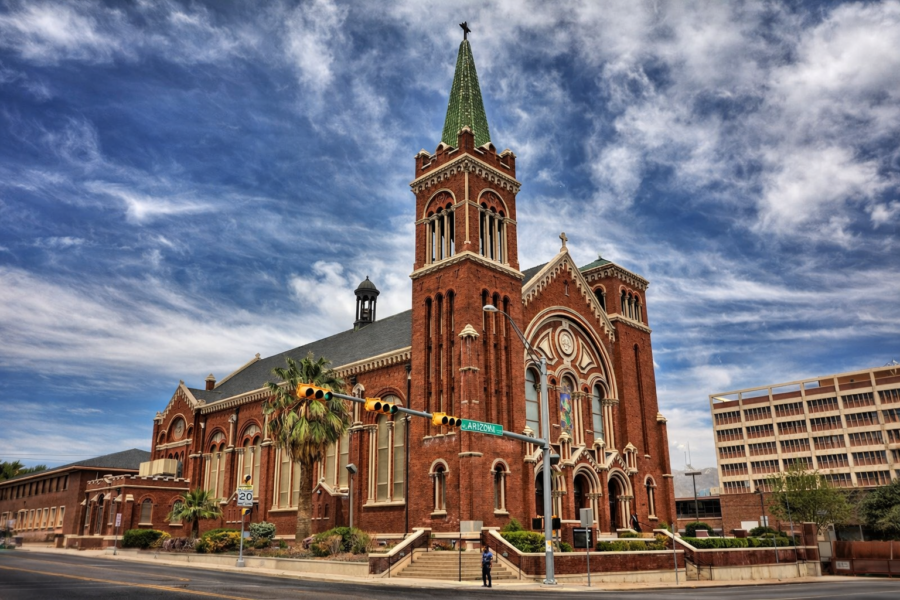
The Diocese of El Paso (Texas) will file for bankruptcy under Chapter 11 after facing multiple lawsuits for alleged sexual abuses that occurred decades ago. With this decision, it joins the list of United States dioceses that have resorted to this legal mechanism to address compensation for abuse victims.
According to EWTN, the Bishop of El Paso, Mark Seitz, communicated on March 6 to the faithful of the diocese that there are currently 18 pending lawsuits related to alleged abuses that occurred between 1956 and 1982.
Bankruptcy to address the compensations
In his message to the diocese, Seitz explained that the decision to request bankruptcy protection was made after consulting with priests and diocesan officials, as well as a process of reflection and prayer.
The bishop noted that the diocese faces economic claims that exceed its financial capabilities, so he considered resorting to Chapter 11 of U.S. legislation to be “the most prudent option.”
This procedure will allow the abuse claims to be centralized in a single process supervised by a bankruptcy court.
As the bishop explained, the goal is to compensate those who suffered abuses in an equitable manner and, at the same time, ensure that the diocese can continue its pastoral and social activities.
Abuses that occurred decades ago
Seitz indicated that the reported incidents date back to a period when, in his words, neither society nor the Church were fully aware of the magnitude of child abuse within their institutions.
He also emphasized that the reported cases occurred long before the diocese implemented its current child protection policies aimed at preventing these crimes.
The bishop asked for forgiveness from the victims for the suffering caused by diocesan officials and acknowledged that the judicial and financial process will be “a difficult path” for the local Church.
A resource increasingly common in the United States
The decision of the Diocese of El Paso fits into a broader trend within the Church in the United States. Since 2004—when the Archdiocese of Portland became the first to resort to this mechanism—numerous dioceses have requested bankruptcy protection to address compensations arising from sexual abuse lawsuits.
In the last two decades, more than two dozen U.S. dioceses and archdioceses have resorted to Chapter 11 to reorganize their finances and manage victim compensations through a single judicial process. Some of them, such as the dioceses of Spokane, Tucson, or Davenport, have already exited the procedure after reaching multimillion-dollar agreements with the victims and reorganizing their economic situation.
Other ecclesiastical jurisdictions are still ongoing, including the dioceses of Buffalo, Rochester, and Syracuse (Siracusa), as well as the Archdiocese of New Orleans, which also resorted to Chapter 11 to manage numerous abuse claims.