


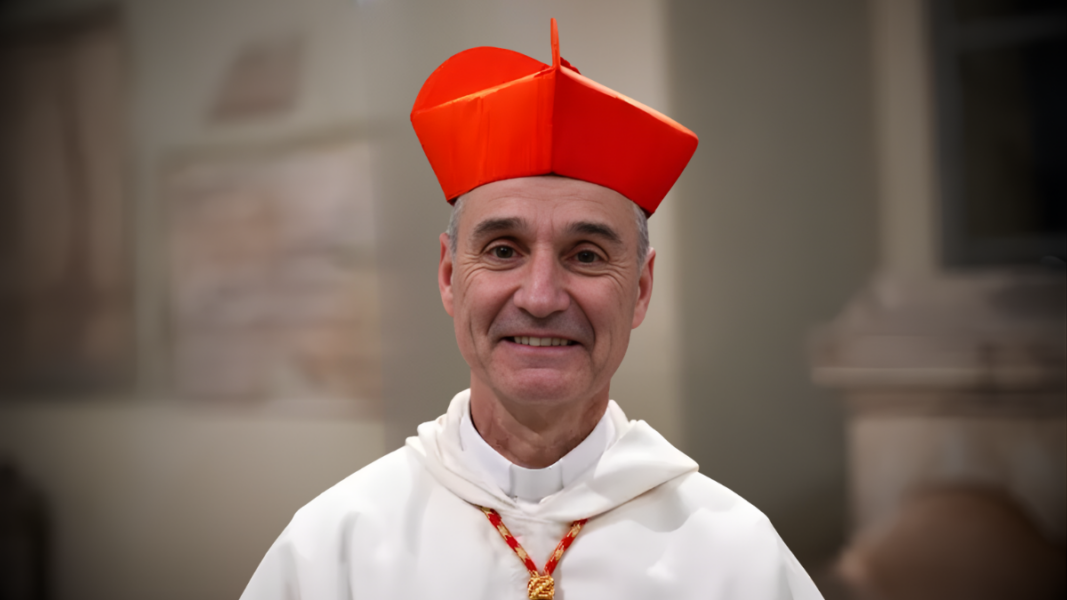
In recent statements to Vatican News, the Archbishop of Algiers, Cardinal Jean-Paul Vesco, has interpreted the upcoming visit of Leo XIV to Algeria as an extension of the Mediterranean orientation and the emphasis on the Muslim world that characterized the pontificate of Francis. The trip, scheduled from April 13 to 15 and the first African stage of the current pontificate, has been described by the cardinal as a “beautiful sign” that defines the initial direction of the Pope.
Algeria will be the first African stop for Leo XIV and one of his first international trips. For Vesco, the fact that the Pope has chosen a country with a Muslim majority and a very small Catholic community is not coincidental, but indicative of a specific pastoral line.
“It Fits into the Dynamic of Francis”
The cardinal explicitly states that Leo XIV “truly fits into the dynamic of his predecessor, Francis,” and that of other pontiffs. However, his main reference is the previous pontificate, especially regarding the centrality of the Mediterranean as a space for encounter between religions and cultures.
Vesco interprets the choice of Turkey, Lebanon, and now Algeria as priority destinations as a sign of continuity in attention to the Mediterranean arc and dialogue with Islam. In his reading, the trip is not only pastoral, but also symbolic and geopolitical.
Saint Augustine and the Martyrs as a Symbolic Framework
Beyond the geographical plane, Vesco highlights the historical dimension of the trip. The Pope will visit Annaba, the ancient Hippo, linked to Saint Augustine, a central figure in Western theological tradition. The cardinal recalls that Leo XIV had already been in the country in his previous stage as superior of the Augustinians, but now he will do so as Pontiff.
Algeria is also the land of the 19 religious killed in the 1990s —among them the monks of Tibhirine and Bishop Pierre Claverie— beatified in 2018. Vesco points out that Leo XIV was elected on the day of their liturgical memorial and that he has quoted words from the prior of Tibhirine, Christian de Chergé, in a recent message for the World Day of Peace.
The cardinal frames these elements as signs of hope and historical continuity, in a country he describes as “resilient” after years of violence.
Interreligious Dialogue and “Dialogue of Life”
In his statements, the Archbishop of Algiers insists that interreligious dialogue in Algeria is lived as a “dialogue of life,” based on everyday coexistence between Christians and Muslims.
The Church in Algeria is numerically small and largely composed of religious and foreign workers, but Vesco emphasizes its permanence alongside the Algerian people during the years of conflict as an essential part of its identity. The visit of Leo XIV, according to his reading, will then be a gesture of fraternity and recognition toward that community.