


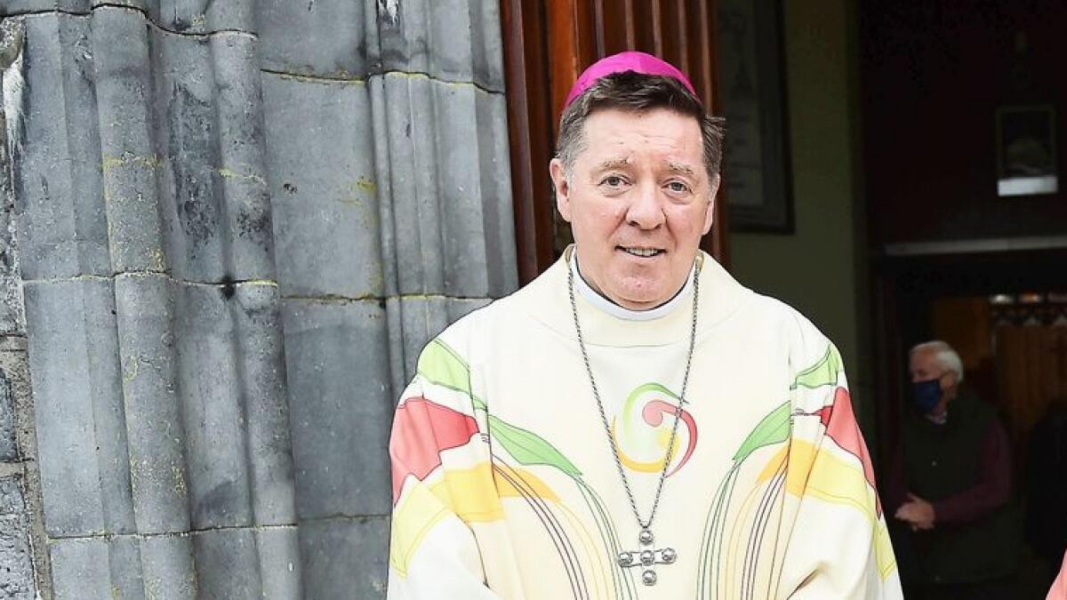
Pope Leo XIV has appointed Monsignor Francis Duffy, current metropolitan archbishop of Tuam and until now apostolic administrator of Killala, as bishop of Killala (Ireland), uniting both dioceses in persona episcopi. The Holy See announced this in the bulletin of this Monday, February 23, 2026.
The decision confirms a trend already visible in recent years: the reduction in the number of bishops in various regions of Ireland and the progressive concentration of dioceses under a single pastor, in a context marked by the decline in religious practice and the shortage of vocations.
A reorganization underway since 2022
The ecclesiastical province of Tuam—one of the four in Ireland—comprises six dioceses: Achonry, Clonfert, Elphin, Galway, Killala, and Tuam. In February 2022, the dioceses of Galway and Clonfert had already been united under a single bishop.
In April 2024, the Holy See transferred several prelates without appointing immediate replacements, leaving various dioceses under provisional administration. Those moves were interpreted by various observers as the beginning of a major restructuring in the west of the country.
With the new decision on Killala and Tuam, the process formally advances toward a model of shared governance between neighboring dioceses, effectively reducing the number of active bishops in the region.
The background: decline in practice and vocational crisis
The debate on these reorganizations cannot be detached from the Irish ecclesial context. According to recent data, the percentage of Irish people who declare themselves Catholic has notably declined in the last two decades. This is compounded by a sustained drop in Sunday attendance and a drastic reduction in the number of priests.
Several diocesan seminaries have closed in recent decades, and the number of seminarians in formation remains low for the country as a whole.
In this scenario, the unification of dioceses under a single bishop responds to both pastoral criteria and a practical need in the face of the decrease in clergy and the aging of presbyters.