


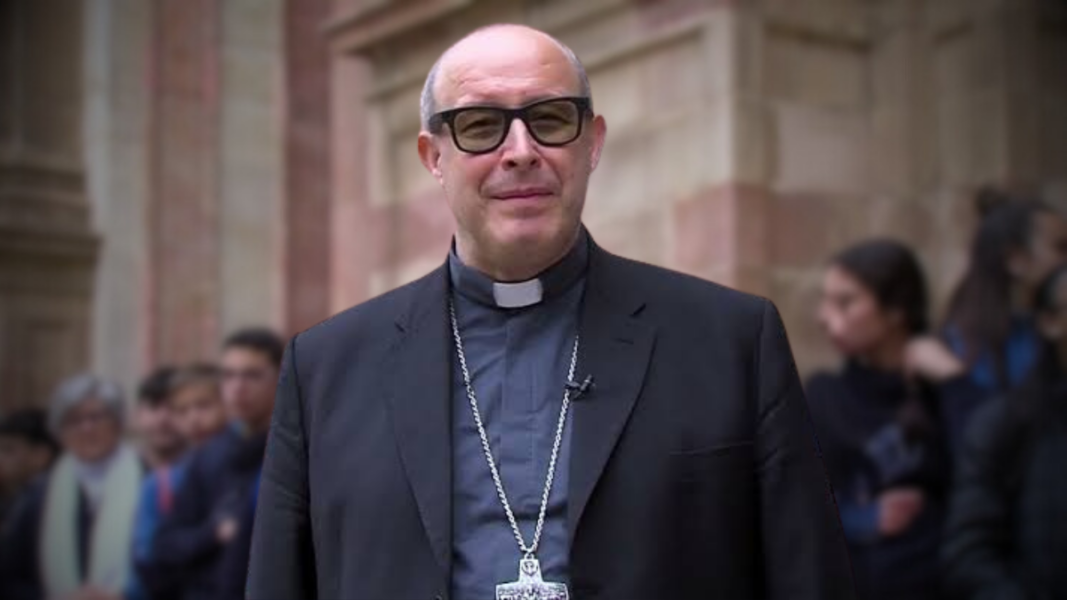
The statements of José Antonio Satué in which he applauds blessings for homosexual couples confirm a line that is not new in him: an explicit willingness to position himself at the «vanguard» in controversial issues, especially regarding active homosexuality and the blessing of same-sex couples. There is nothing to object to, on a personal level, regarding this bishop’s special proximity to the homosexual issue. It is undeniable that the inclination in itself is not a sin, as the Catechism teaches, and no one should be judged for a condition they have not chosen. The Church clearly distinguishes between the person and their acts. That distinction is fundamental and must always be respected.
The issue is not, therefore, anyone’s private life in particular, not even that of a bishop. The problem arises when certain personal sensitivities seem to become the interpretive prism of his episcopal ministry. A bishop does not speak in the name of his biography or from his subjective experience, but in the name of the Church. His mission does not consist of transferring his personal experiences to pastoral governance, but of safeguarding and transmitting integrally the deposit of faith.
When Satué states that the blessing of same-sex couples is “a step forward,” he is not simply sharing a private opinion: he is setting pastoral direction in a specific diocese, that of Málaga, which does not have to be held hostage to anyone’s traumas. The Church has consistently taught that marriage is between man and woman and that homosexual acts cannot be morally approved. Any gesture that, although it does not formally equate those unions to marriage, may generate confusion on that point, is a misappropriation of the bishop’s work.
The episcopate is not a space for self-expression. It is a ministry of sacramental representation of Christ and of communion with the universal Church. A bishop’s personal life belongs to his intimate sphere; his teaching, on the other hand, belongs to the Church. Confusing both planes impoverishes the ministry and weakens the clarity that the faithful need.