


There is a type of Catholic who has been practicing a very specific spirituality for years: obedience as a staged performance. In public, they are professional papal worshippers, altar boys of the official communiqué. They cross themselves with the bulletin, applaud every move as if it were dogma, and repeat “unity” with the same faith that a bureaucrat repeats “procedure.”
What is decisive, however, is not what they proclaim, but what they shield. Because the same people who demand absolute submission in the liturgical and sacramental realms have been systematically disobeying for years in the patrimonial sphere. They have built parallel mercantile structures, shielded foundations, business networks, and financial circuits designed so that Rome has no real jurisdiction over anything. For that, they do not cite Canon Law. For that, they do not speak of communion or scandal. There, obedience disappears without qualms. Fraud by law, yes; sacraments, no.
And the most revealing thing is that not even that selective obedience serves them as a refuge. Because, despite so much public genuflection, the hierarchy often treats them as disposable pieces. It uses them, corrects them, marginalizes them, and humiliates them, and they accept it with a mixture of resignation and fear. They walk with heads bowed, always justifying the latest snub, explaining why this time silence is prudence, why now it’s time to endure. Submissive even when mistreated.
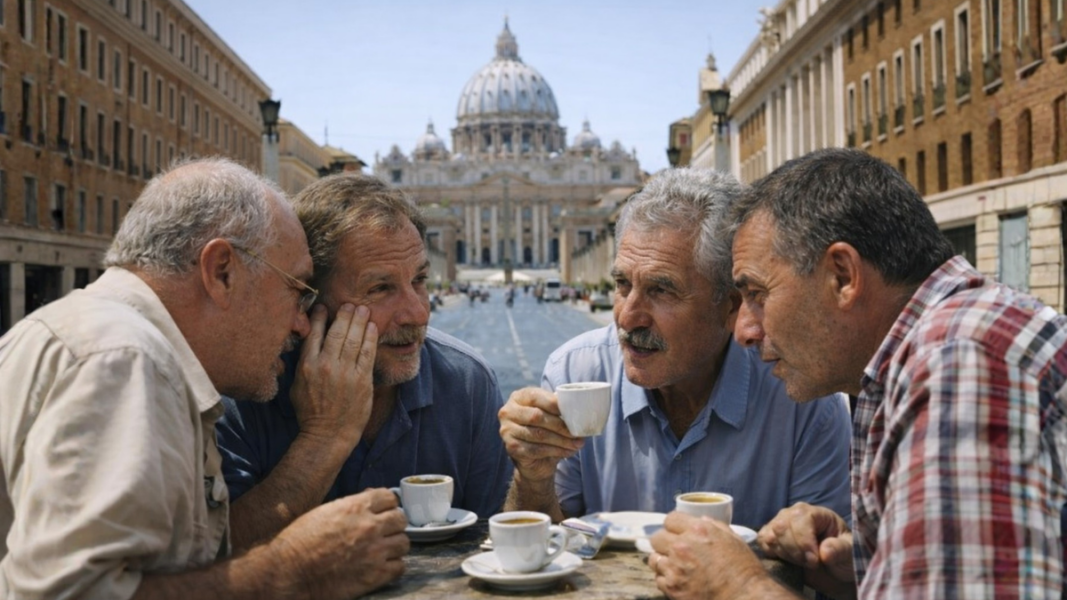
But it only takes for the scene to be dismantled—always discreetly, over a coffee—for the scenery to collapse. Then obedience also disappears, but in the opposite direction: the Pope becomes a disaster, a heretic, a puppet at best. It’s not the Fraternity that says it; they do. The same ones who, after being ignored or ridiculed by the bishops of the moment, tear their garments when someone acts as if the crisis they describe in private were real and not just a simple verbal escape valve.
Neocon fidelity works like this: public adhesion, assumed humiliation, and private disbelief. Declarative submission, practical autonomy. It is not obedience; it is a survival technique within the ecclesial system. Obey while it suits, swallow while it hurts, and murmur when there are no cameras. And above all, demand obedience from others while accepting without complaint a permanent regime of hierarchical contempt.
That is why, with the announcement of new episcopal consecrations by the FSSPX, the play has erupted. Tears, scandal, overacted moral indignation. It turns out that Lefebvre was pathetic, it was all pride, Paul VI exposed him, and this is schism and rebellion. The repertoire is well-known. What is surprising is not what they say, but the deliberate amnesia they display, as if decades of blockades, snubs, and silent punishments had not existed.
What the Fraternity does—with all the objective problems that can and should be pointed out—does not arise from a whim or a romantic impulse, but from an elementary logic: sacramental continuity. After decades of sterile negotiations, after thirty years of conversations that always end in the same deadlock, after a regime of revocable permissions, systematic liturgical blockades, and episcopal arbitrariness, an institution without seeking material jurisdiction resorts to the minimum instinct of pastoral survival: ensuring bishops to ordain, confirm, and sustain a work that, like it or not, produces visible fruits.
It is not the ideal. It does not enthuse me. But pretending not to understand the mechanism is intellectual dishonesty, especially when those who criticize it have been accepting for years, in silence and with heads bowed, a treatment that reveals to what extent their obedience does not guarantee them respect or protection.
What these neocons cannot tolerate is not disobedience. It is the disobedience they do not control. The exception does not scandalize them; what scandalizes them is not administering it. They are obedient in front of the microphone and subversive at the dinner table, submissive in the episcopal office and brave only in private. Papal worshippers on stage, coffee conspiracists, professional resigners to hierarchical mistreatment.
The problem is not Lefebvre. The problem is not even the Fraternity.
The problem is a neocon fidelity built as submission to convenience: it demands strict obedience in the sacramental while living installed in structural cynicism, financial engineering, and double talk, also accepting being despised by the hierarchy it adulates. Incense in front of the cameras, mercantile autonomy in the back room, head bowed in the episcopal palace, poison in the coffee. And then, of course, tears.