


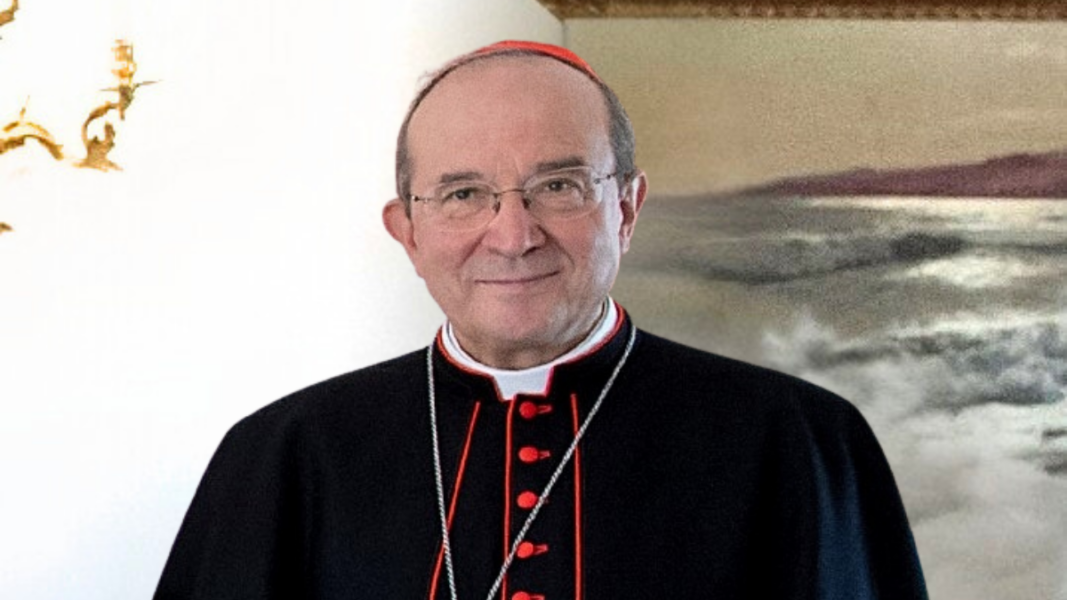
The Istituto per le Opere di Religione (IOR), known as the Vatican Bank, has elected Cardinal Giuseppe Petrocchi as the new president of its Cardinal’s Commission, replacing Cardinal Christoph Schönborn, who is retiring due to age reasons. The appointment was announced this Monday, February 2, 2026, by Vatican News which reports the announcement from the Vatican institute itself.
A Leadership Change in a Key Body
The Cardinal’s Commission is one of the governing bodies of the IOR and is composed of five cardinals, elected by the Pope and responsible for overseeing the management and compliance with the statutes of the Vatican bank. The president is elected by his peers within the commission and has, among other functions, that of monitoring fidelity to ethical and canonical principles in the administration of resources.
Giuseppe Petrocchi, emeritus archbishop of L’Aquila, replaces Christoph Schönborn in the presidency, who has held the position for more than a decade and is ending his term due to age limits. Cardinal Petrocchi has already been a member of this Commission since 2020 and also serves on other Holy See bodies, such as the Council for the Economy and the Dicastery for the Clergy.
A Pastoral Profile and Ecclesiastical Governance
Cardinal Petrocchi is known for his years of pastoral ministry as an archbishop in Italy and for his experience in bodies of the Roman Curia. In his first statements after the appointment, he highlighted having been “a direct witness to the important evolutions carried out by the Institute in service to the Pope and the universal Church” and affirmed that, together with the IOR’s Supervisory Board, the path of “continuous improvement and collaboration will continue in full respect for Catholic ethics and the principles of transparency and co-responsibility.”
The IOR and Its Role within the Holy See
The IOR, founded in 1942 as the Institute for Religious Works, is not a commercial bank in the strict sense but a Vatican institution responsible for administering assets and resources intended for charitable works and to support the Church’s mission, in accordance with canon law. It is governed by several bodies, including the Cardinal’s Commission, which oversees adherence to its statutes and reports directly to the Pope.