


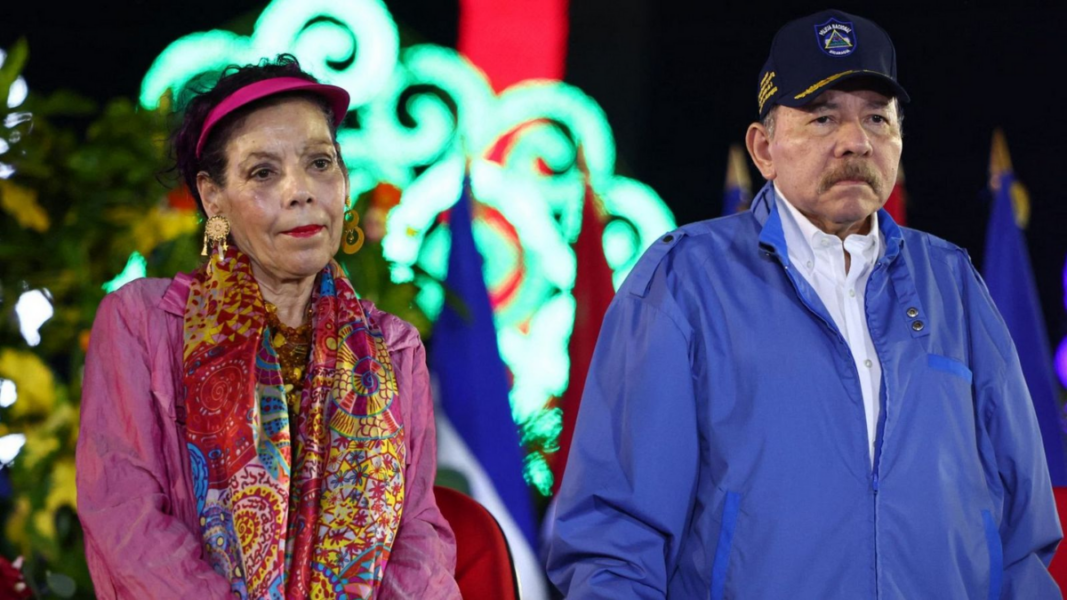
The regime of Daniel Ortega and Rosario Murillo in Nicaragua has ordered the clergy of the diocese of León not to leave their parishes to carry out pastoral activities outside the temple, which in practice blocks visits to families, preaching in the context of missions, and other habitual forms of community apostolate in Latin America.
A verbal order transmitted by the police
The restriction was communicated verbally by police agents, on the eve of a planned parish mission for January 24, 2026, which included door-to-door visits. This fact has been denounced by the Nicaraguan lawyer and researcher Martha Patricia Molina, author of reference reports on religious persecution in the country.
In practice, the instruction amounts to confining pastoral action to the interior of the temple.
A measure that reduces faith to the private sphere
The background is evident: to prevent the Church from exercising a normal social presence, limiting pastoral contact with families and reducing religion to a private matter or strictly intra-temple activity. This interpretation also appears in analyses gathered by Catholic media, which warn that the real objective is to curtail the community dimension of the Church and its capacity for gathering.
Sustained escalation of pressure against the Catholic Church
The prohibition is framed within a persecution documented for years: surveillance, intimidations, expulsions, and restrictive measures against institutions and clergy. The media outlet Crux reported on this new pressure in León and quoted Molina describing episodes of police irruptions in retreats, with interruptions and the use of sound equipment for messages unrelated to the religious activity.
The regime’s fear of any gathering
According to Crux, the measures point to a political logic: the regime distrusts any form of social gathering that it does not control, and sees in parish life—especially when it goes out into the neighborhood and enters homes—a potential for community fabric that escapes its surveillance.