


Borja Escrivá’s tweet starts off with that paternalistic tone of a parish catechist from the eighties: “Don’t worry.” Translation: don’t think, don’t compare, don’t draw uncomfortable conclusions. History —says the priest— is cyclical, and in Nazi Germany the Catholics who bowed to the regime spared themselves martyrdom. Today there’s no blood, but there is “ridiculization” and “media pressure.”
The problem is that history, when truly known and not in its tweet pastoral version, tends to be cruel to this kind of discourse. Because if it teaches anything, it’s that the great betrayals in the Church were not protagonized by uncomfortable laypeople, but by clerics utterly obedient to the powers that be.
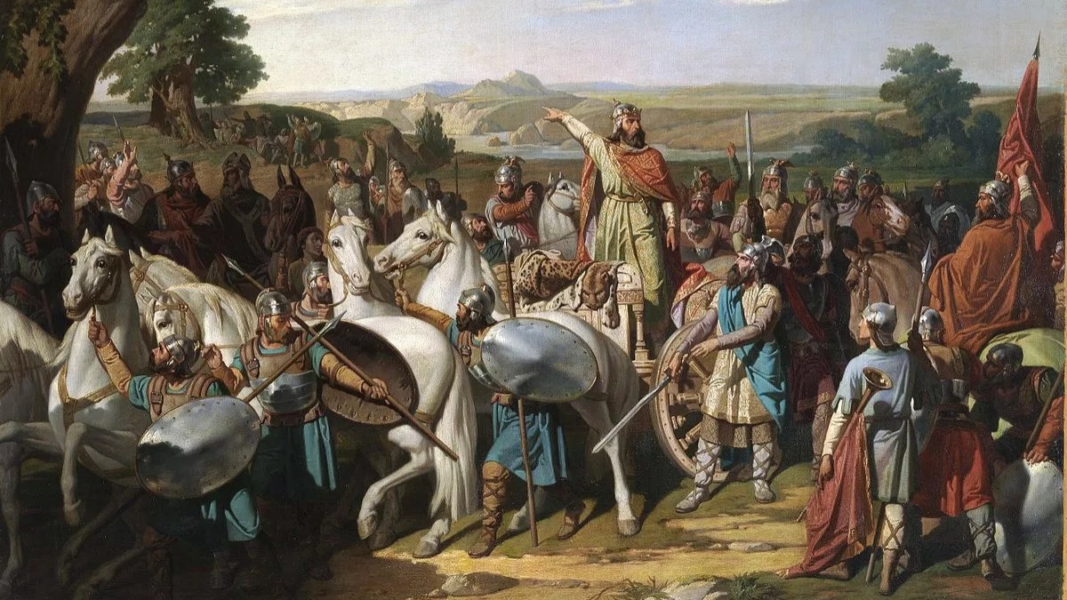
Let’s start at home. Don Oppas, the Visigothic bishop, was not an invention of Francoist propaganda nor a character from a historical novel. He was a real cleric who blessed and legitimized the Islamic invasion of Hispania. While others died defending what they believed, Oppas negotiated, made deals, and survived. He was no martyr. He was useful. Exactly the type of figure who today would receive applause for his “pastoral realism.”
Let’s jump a few centuries. French Revolution. Civil Constitution of the Clergy. Mandatory oath to the new revolutionary order. Who swore? The vast majority of the French clergy: bishops, parish priests, canons. The “jurors.” Who refused en masse? A handful of refractory priests… and the faithful people who hid them, protected them, and sustained them when Rome was far away and terror was near. The laypeople risked their lives; the sworn clerics kept their positions, salaries, and peace of mind. Once again, those who “avoided problems” are exactly the ones some today hold up as an implicit model of prudence.
Let’s cross the Atlantic. Mexico, the twenties. Open persecution, churches closed, priests assassinated. And again the same pattern: part of the episcopate making deals with the revolutionary power, disavowing resistance, calling for calm and obedience; and some laypeople —the Cristeros— who, abandoned by many of their pastors, sustained the faith with rosaries, rifles, and blood. They weren’t desk theologians or experts in ecclesial communication. They were peasants, family fathers, women, and children. True martyrs, not of “ridiculization.” We call anything martyrdom, Borja.
And we arrive at the present. Spain. Mass regularization of illegal immigrants applauded without nuance by the Episcopal Conference, with the same language copied from an institutionalized NGO and zero concern for the common good, legality, or social consequences. The laypeople protest, ask questions, criticize. And then the on-duty priest appears to explain to them to be careful, that history is cyclical…
What he doesn’t say is that, once again, it’s the laypeople who hold the flags when the wind blows ill. Those who sustain the faith when the clergy prefers respectability. Those who think —yes, think— when uncritical obedience is demanded of them. Those who remember that conscience is not delegated nor retired by episcopal decree.
So no, Borja. History does not prove what you insinuate. It proves exactly the opposite: that when the Church accommodates itself to power, it survives… but empties itself; and that when faith resists, it almost always does so thanks to laypeople who didn’t ask permission to be faithful. The Oppases, the jurors, the pedophile priests, and the deal-making bishops pass. The faithful who endure remain. And history, the one you invoke, leaves it all written with a clarity that’s quite uncomfortable.