


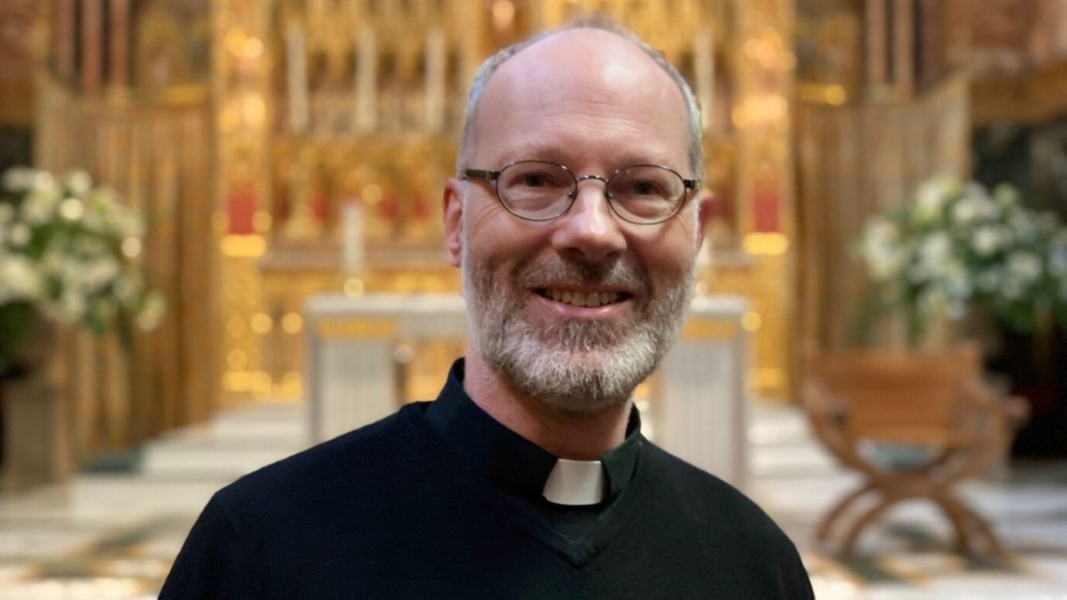
The case of Fr. Damian Howard SJ, until recently the principal Catholic chaplain at the University of Oxford, adds new elements following the official response from the Jesuits in Great Britain. The order now confirms that the priest was removed from ministry in August 2025 for professional misconduct following a complaint that, as it claims, was investigated and “substantiated” by its safeguarding team. Additionally, it states that an independent review has been commissioned and that its recommendations are awaited.
Read also: England: A Catholic chaplain at Oxford was removed following an abuse complaint
In its statement, the Jesuits detail that the safeguarding investigation included interviews and examination of documented interactions. Based on its conclusions, they maintain that an immediate measure was taken: asking Howard to step aside and not exercise ministry. The order also states that the investigated behavior was “inappropriate” and “totally unacceptable.”
In parallel, local media in Oxford have reported the confirmation that the ongoing external review is linked to the Catholic Safeguarding Standards Agency (CSSA), the body created in England and Wales to oversee and raise safeguarding standards.
The update also brings a particularly sensitive front: that of communication and case recording. The Catholic Herald reports that part of the confusion over whether the matter was “minimized” would have arisen from terminological differences between the initial telephone report and subsequent documentation, which led to misunderstandings. According to the same medium, the complainant maintains that he requested repeated explanations about those discrepancies and encountered silence, and also claims that the CSSA would have indicated to him that the terms of reference of the independent review could not examine certain aspects of the case.
The same information incorporates a particularly serious allegation: the complainant assures that a Jesuit pressured him in telephone conversations not to go to the police and that he conveyed his concern in writing in an email dated September 16. For now, it is a statement from the complainant that has not been publicly confirmed by the order, but which raises the bar of demand on the external review: not only for what happened, but for how the process environment was managed.
The decisive element is the real scope of the independent review and the clarity with which the criteria for reporting, documentation, and accompaniment of the complainant are explained. In safeguarding matters, terminological nuances and “vocabulary differences” are not a minor detail: they can determine trust in the institution, especially when the case affects a public figure and a university environment.