


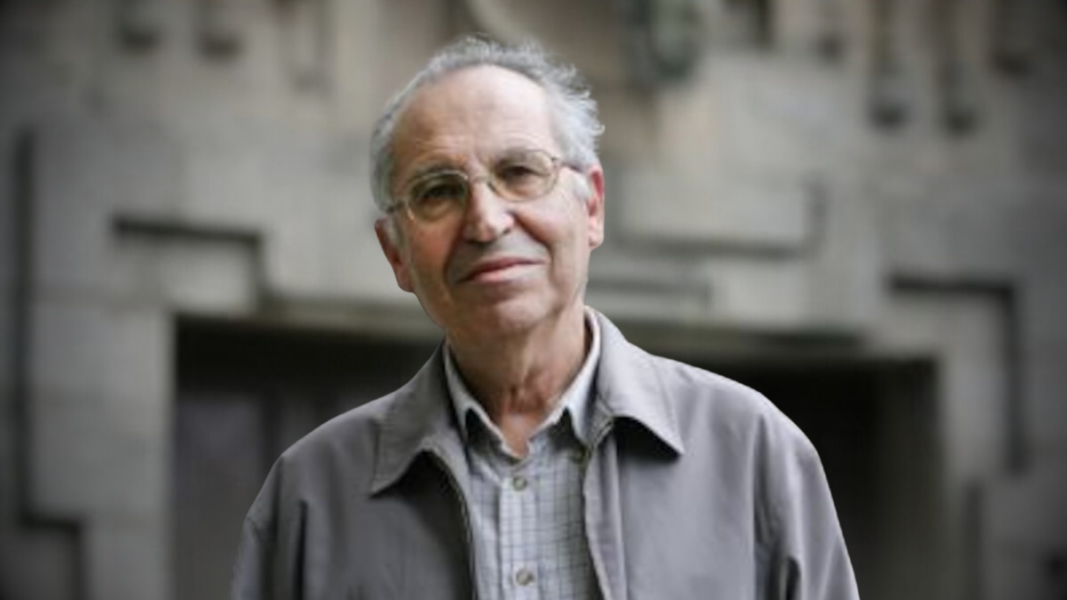
The Diocese of Santiago de Compostela has officially announced that on the upcoming January 28, 2026, the feast day of Saint Thomas Aquinas, the major seminary will host a conference titled “Xesús de Nazaret como pioneiro e culminación da fe”, delivered by the heterodox theologian Andrés Torres Queiruga. The event, scheduled in the Aula Magna of the Instituto Teológico Compostelano, has institutional backing and is explicitly framed within an ecclesial celebration, not in an academic forum alien to the Church.
The ultimate responsibility for this decision falls on the Archbishop of Santiago, Monsignor Francisco José Prieto Fernández, who will officiate the Mass prior to the lecture, and under whose episcopal governance a speaker known for holding theses incompatible with the Catholic faith is allowed to intervene in a center dedicated to the formation of future priests. This is not a minor error or a debatable matter, but a grave case of doctrinal confusion promoted from the diocesan authority itself.
Torres Queiruga has consistently defended for years a conception of Redemption that denies its expiatory and sacrificial character. In his theology, Christ’s cross does not objectively reconcile man with God nor does it have salvific value in itself, but is reduced to a historical outcome of the conflict between Jesus and his environment. This view directly contradicts the Catholic faith, which confesses that Christ died for our sins and offered his life as a redemptive sacrifice. Denying this is not a theological nuance: it is material heresy.
Even more scandalous is his conception of the Resurrection. Torres Queiruga holds that the Resurrection is not a real event affecting Jesus’ dead body, but a faith experience of the disciples, a theological affirmation disconnected from the physical destiny of his body. From this approach, he has even affirmed that the eventual appearance of Jesus’ corpse would be compatible with Christian faith and something stimulating to redefine erroneous conceptions carried over. This thesis de facto denies the bodily Resurrection and turns the core of Christianity into a mere reinterpreted symbol. Where the tomb can remain occupied, faith is left empty.
It is difficult to exaggerate the gravity of these ideas being presented, without any warning, in a Catholic seminary and on the day of Saint Thomas Aquinas, doctor of the Church and maximum defender of the objectivity of dogma, of Christ’s redemptive sacrifice, and of the real and bodily Resurrection. The choice of speaker is neither neutral nor accidental: it is a reckless and unnecessary stance.
The selection of speakers who hold heretical theses for training events on Christ in seminaries generates confusion, disorients future priests, and erodes the Church’s very mission. Enough of bishops who, in the name of a false dialogue or a misunderstood academic prestige, act as agents of doctrinal confusion. The Church does not need reinterpretors of the Creed, but faithful custodians of the faith received.
If Torres Queiruga wishes to expound his ideas in civil, academic, or even personal celebration settings, let him do so. Let him give a lecture at the consecration of his friend the bishop, if he deems it so. But let him keep his hands off the Catholic Church, its seminaries, and priestly formation. Because when from within the Redemption is denied and the Resurrection is emptied, what is put at risk is not a theological debate, but the very heart of the Christian faith.