


The German Bishops’ Conference (DBK) will hold its spring plenary assembly from February 23 to 26, 2026 in Würzburg. At that meeting, the German bishops will have to elect the next president of the episcopate, a vote provided for by their statutes after six years of tenure.
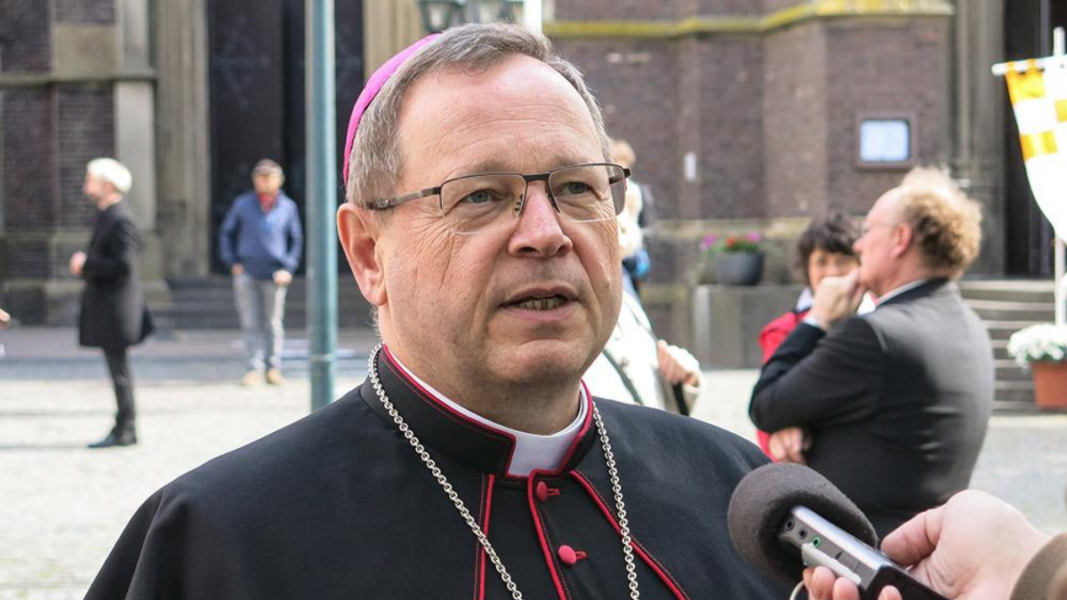
The appointment comes with a significant move: the current president, Bishop Georg Bätzing —most visible face of the German Synodal Way, the process that in recent years has strained ecclesial communion in Germany with reform proposals on sensitive issues— has communicated by letter to the conference members that he will not stand for re-election.
In his internal message, Bätzing explicitly states that “he is not available for a new term” and explains that he made the decision after “advice and mature reflection”. He describes his presidency as a service rendered in “truly demanding times” and speaks of “six intense years” in which, together with other ecclesial actors and members of the “people of God”, he says he has promoted changes oriented towards a “sustainable future form” of the Church in Germany.
The prelate maintains that the time has come to pass that task to “other hands” and expresses confidence that the work will continue “well”. In the same text, he adds that he prays for the election and asks that, within the conference, the “open word”, the constructive effort, and the willingness to approach one another be maintained, in order to “testify to the joy of faith” to Catholics in Germany and beyond.
In parallel, the German Synodal Way now faces a phase of formal “closure” and institutional continuation: its sixth and final assembly is scheduled in Stuttgart from January 29 to 31, 2026, with the declared purpose of evaluating the implementation of the already approved agreements; meanwhile, the so-called “Synodal Committee” has continued working on the transition to a future “Synodal Conference”, a governance design that must await approval from Rome before the process begins.