


The authorities of the Chinese communist regime have intensified in recent days the persecution against Christian communities that operate outside the religious structures controlled by the State. According to La Gaceta de la Iberosfera, several detentions of Protestant leaders in the southwest of the country confirm a new hardening of the control exercised by the Chinese Communist Party over religious confessions.
The police operation took place in the province of Sichuan and was directed against one of the most well-known clandestine Protestant congregations in the region. According to statements from the Christian community itself and from international human rights organizations, at least four people were detained, while two others remained missing.
Detentions and Disappearances
Among the arrested are the presbyter Li Yingqiang and his wife, as well as the preacher Dai Zhichao. The detentions occurred in a coordinated manner and without public information on formal charges, a common practice in cases of religious repression in China.
Although the country hosts tens of millions of Christians—both Protestants and Catholics—, many of them belonging to the urban middle class, the practice of religion outside official channels has become increasingly dangerous. For years, the so-called “house churches” operated under precarious tolerance, but that margin of maneuver has been drastically reduced in the current political context.
Ideological Imposition and State Control
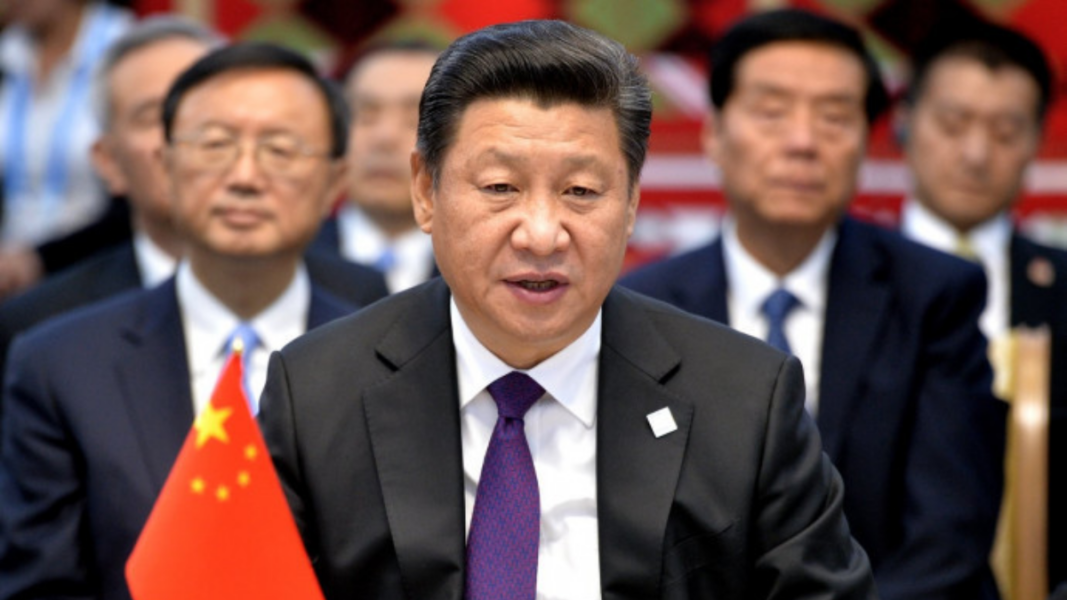
President Xi Jinping has reiterated on various occasions the need to “Sinicize” religions, that is, to subject them to the ideology and objectives of the Communist Party. According to Bob Fu, director of the organization ChinaAid, the regime’s goal is to force Christian communities to fully accept the party line or face their dissolution.
This strategy is part of a broader offensive against civil society, which includes the control of associations, media, and any structure that escapes direct state supervision.
International Repercussions
The intensification of religious repression could have diplomatic consequences. La Gaceta de la Iberosfera points out that this campaign could complicate relations between Beijing and Washington, especially ahead of the summits planned for this year between Xi Jinping and US President Donald Trump.
Meanwhile, clandestine Christian communities continue to be one of the priority targets of the Chinese repressive apparatus, in a context where religious freedom is subordinated to ideological obedience to the communist regime.