


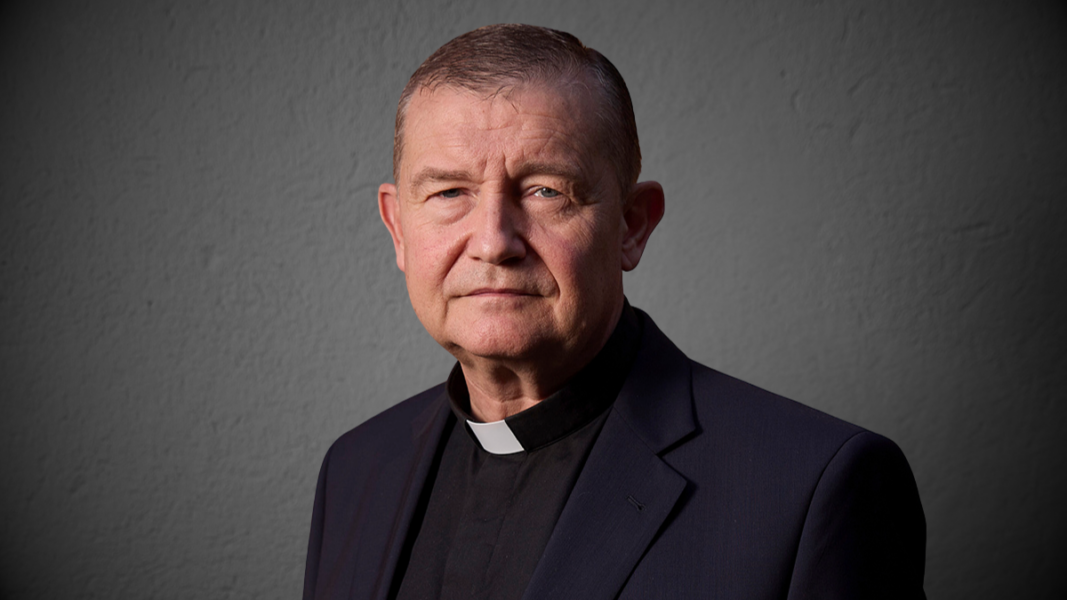
Custodio Ballester, a Spanish priest, had been immersed for years in a judicial process for articles, interviews, and messages published between 2013 and 2019 in which he openly referred to Islam and immigration. Along with him, another priest, Jesús Calvo, and the director of a digital media outlet, Armando Robles, were prosecuted. The Prosecutor’s Office accused them of inciting hatred and requested prison sentences. However, on October 17, 2025, the Provincial Court of Málaga acquitted them, considering that their words, although harsh or offensive, were protected by freedom of expression.
Read also: The Court of Málaga acquits Father Custodio Ballester
Now, according to El Debate, the Málaga Prosecutor’s Office has filed an appeal against the Provincial Court’s sentence that acquitted the defendants. The Public Prosecutor’s Office considers that the Chamber did not correctly apply the jurisprudential doctrine on the hate crime and understands that the proven facts do fit the criminal type, so it challenges the acquittal issued by the First Section of the Málaga Court.
In its ruling, the court acknowledged that the accused did not deny the authorship or dissemination of the articles, messages, and interviews that were the subject of the proceedings, published between 2013 and 2019, but focused the analysis on determining whether such statements should be considered criminal or if they were protected by the fundamental right to freedom of expression.
The Chamber concluded that, even if some messages might be “despicable”, “perverse”, “clearly offensive” or “unfortunate”, the objective and subjective elements necessary to appreciate the hate crime were not present. It also emphasized that not every offensive discourse is automatically outside the scope of freedom of expression, nor does every verbal excess constitute a criminal offense.
The judicial resolutions particularly analyzed texts and interviews focused on immigration—particularly of African origin—and on Islam, in which harsh expressions such as “invaders”, “extermination of the infidel” or “grave threat” were used. For the court, even an intolerant discourse can remain within the margins of freedom of expression if it does not directly and effectively incite violence or discrimination.
Nevertheless, the Prosecutor’s Office now maintains that the Court incorrectly interpreted the applicable doctrine and has decided to reactivate the judicial route through an appeal for infringement of law. A particular accusation has also appealed the acquittal sentence.
The acquittal of the priests and the media manager represented a judicial endorsement of the exercise of freedom of expression in a context increasingly marked by the judicialization of critical opinions, especially when they affect religious, cultural, or migratory issues.