


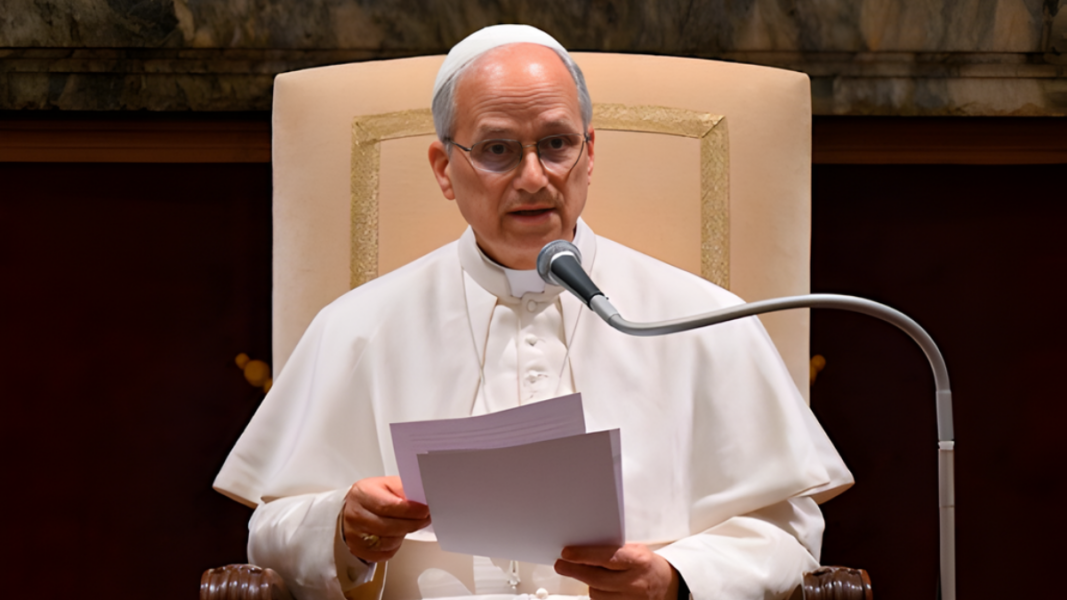
Pope Leo XIV has approved the new Statute of the Ufficio del Lavoro della Sede Apostolica (ULSA), introducing substantial changes to its structure, competencies, and procedures, with the aim of strengthening attention to the world of work within the Holy See and improving coordination between the various Vatican bodies.
The approval was formalized through a Rescriptum ex audientia Sanctissimi signed on November 25, 2025, following an audience granted to the Secretary of State, Cardinal Pietro Parolin, and one day after the publication of the new General Regulations of the Roman Curia.
Expansion of the Council and New Composition
One of the most relevant changes affects the ULSA Council, the consultative body responsible for developing normative proposals. According to the new Statute, the Council will now include, for the first time, representatives from the Secretariat of State, the Vicarate of Rome, the Pension Fund, and the Health Assistance Fund (FAS), in addition to the entities already present, such as the Dicastery for Evangelization, the Secretariat for the Economy, the APSA, the Fabbrica di San Pietro, and the Governorship of Vatican City State.
All members of the Council are appointed by the Secretary of State and serve a five-year term. The Statute also establishes that the Council must meet at least three times a year and whenever requested by at least seven of its members.
More “Synodal” Functioning
The new normative text introduces a significant novelty in the Council’s working method: each councilor can individually propose topics for the agenda, with their inclusion at the discretion of the ULSA president. Until now, this possibility was limited to joint proposals from several members, which reinforces a more participatory and co-responsible functioning among the different Administrations.
Confirmed Competencies and Support for Dicasteries
The amended Statute confirms the historical functions of the ULSA, created in 1988 by St. John Paul II, as the body responsible for promoting and consolidating the labor community of the Holy See. Among its competencies are the development of normative proposals on labor matters, the improvement of economic, welfare, and pension conditions for personnel, as well as the training and professional updating of employees.
It also strengthens the role of the ULSA as a technical-consultative body that assists dicasteries and other entities in drafting particular regulations, contributing the experience accumulated over more than 35 years of activity.
Procedures and Labor Disputes
In matters of labor disputes, the Statute maintains the mandatory prior attempt at conciliation before the ULSA director before resorting to the Conciliation and Arbitration Board or the Vatican Judicial Authority. The document sets precise deadlines for filing applications and regulates in detail the procedures for appeals and hearings.
As a relevant novelty, the Statute requires that rotal lawyers who intervene in the conciliation phase demonstrate specific competence in labor law, while civil lawyers must show solid knowledge of Vatican law to be registered in the corresponding ULSA registry. These provisions aim to strengthen the technical rigor and ecclesial sense of legal actions.
Papal Attention to the World of Work
According to Vatican News, the Rescriptum reflects Pope Leo XIV’s particular attention to the world of work and his willingness to consistently apply the Church’s social doctrine within the Holy See, a priority that the Pontiff has emphasized since the beginning of his pontificate.