


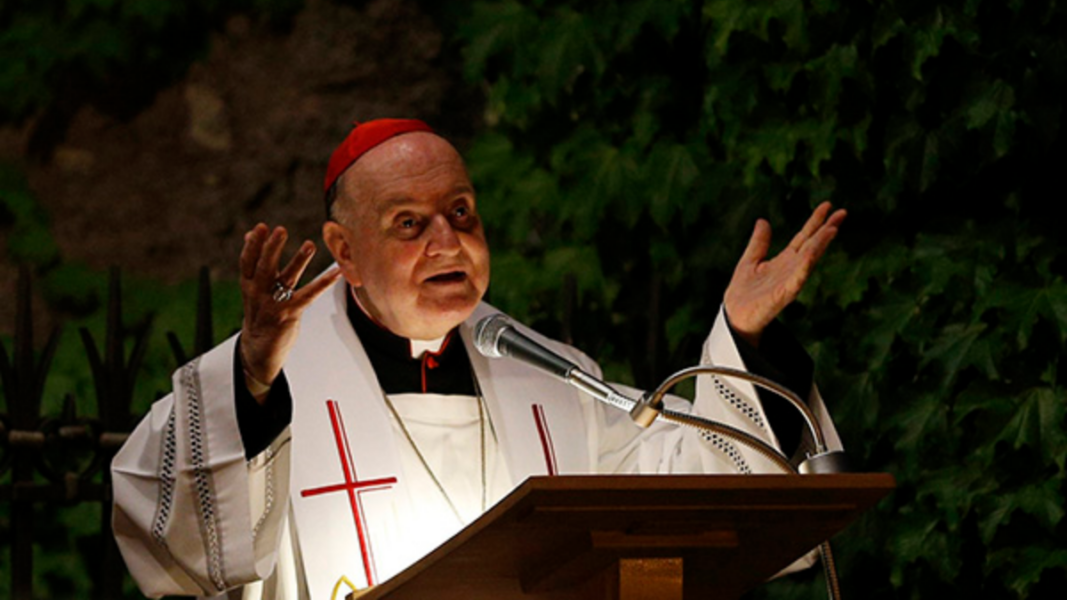
The Cardinal Angelo Comastri, emeritus vicar general of His Holiness for the Vatican City, has reflected on the profound meaning of Christmas and Christian hope in his latest book, Il Natale dei Santi e degli atei (OasiApp, 2025). In an interview granted to La Nuova Bussola Quotidiana, the cardinal emphasizes that only the Incarnation of Christ offers a real response to the violence, despair, and spiritual emptiness of contemporary history.
Starting from the teaching of Saint John Paul II in Tertio Millennio Adveniente, the cardinal states that Christian hope arises from the certainty that God has not remained distant, but has entered into human history marked by war and suffering. In the face of a tragic view of the world—which authors like Norberto Bobbio described as a “permanent slaughterhouse”—Comastri maintains that faith allows one to understand the meaning of man’s origin and destiny.
In contrast to the despair of figures like Ernest Hemingway or Indro Montanelli, cited by the cardinal, Comastri reminds us that man cannot live on “nothing.” In response, he points to examples like Saint Francis of Assisi or Saint Teresa of Calcutta, who, lacking material goods, lived a profound joy from having God in their hearts.
Saints, atheists, and the “lesson of Bethlehem”
The book takes as its guiding thread the encounter of the Incarnate Word with very diverse figures—saints, writers, and atheist thinkers—to show that true peace is born from humility, spiritual poverty, and openness to grace. For the cardinal, this is the authentic “lesson of Bethlehem”: guarding the heart from pride to recognize one’s own misery and welcome Christ.
Among the testimonies that most impressed Comastri is that of the writer Curzio Malaparte, a fierce critic of the hypocrisy with which, in his view, many celebrated Christmas. However, the cardinal recalls, Malaparte ended up opening his heart to Christ, received baptism shortly before dying, and passed away clutching a crucifix.
The inability to love without God
The cardinal insists that the mystery of the Incarnation reveals that true love is learned only from God. In this sense, he warns that many people today “do not know how to love,” even when they constantly talk about love. Comastri cites the testimony of John Lennon’s son, who stated that his father sang about love but was unable to live it in his own family.
Likewise, he highlights a reflection by the philosopher Jean-Paul Sartre, a confessed atheist, who managed to describe with surprising depth the awe and sacred fear of the Virgin Mary before the mystery of God made child, emphasizing that even from outside the faith, the greatness of the Christian event can be intuited.
“Being the cradle of God”
In his final message, Cardinal Comastri encourages preparing the heart so that Christmas is not an empty celebration. Resuming a reflection by Giovanni Papini, he reminds us that the heart is prepared to welcome Christ when one understands that happiness cannot be bought with money, when one renounces pride, and when one is willing to do good even to the enemy.
Only in this way—concludes—Christmas ceases to be a social rite to become a real event: the birth of Christ in the heart of man, source of a joy that no entertainment can offer.