


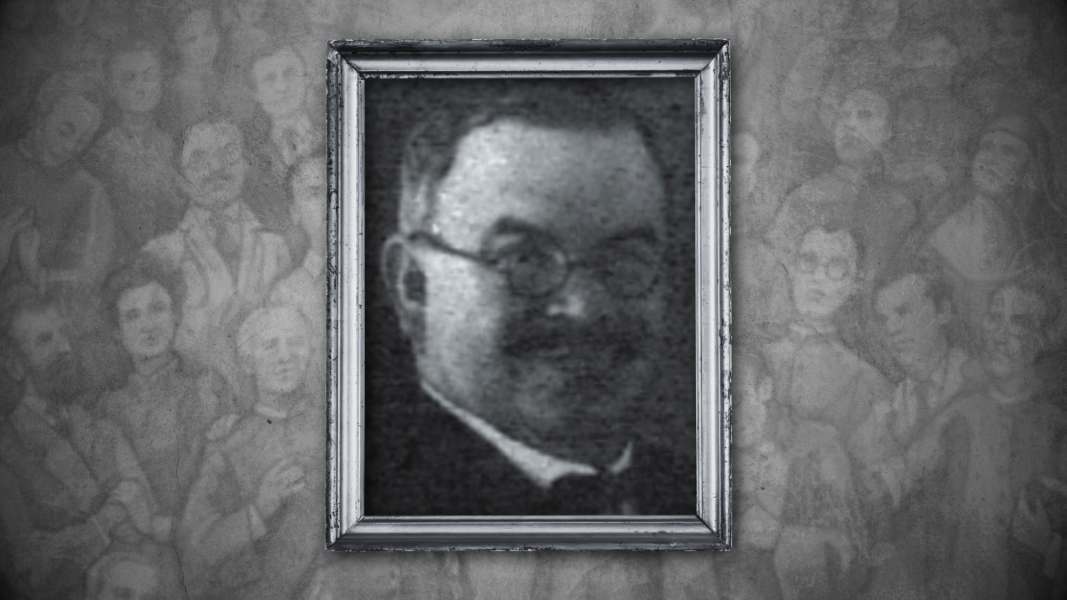
Pedro María Sandoica y Granados, a 60-year-old rural doctor and lay Catholic, will be beatified in Jaén after giving his life for Christ in 1936. Born in Linares in 1876, he carried out his professional work in Villargordo (Jaén), dedicated to assisting the poorest and most vulnerable in his community. He was murdered out of hatred for the faith on September 25, 1936, in Mengíbar, after being detained by militiamen from the Popular Front.
Known among his neighbors for his vocation of service, Dr. Sandoica combined medicine with a deep social and religious commitment. He attended to the sick without resources for free and promoted social justice initiatives to improve the conditions of the workers in the area. A practicing Catholic, he actively participated in his parish: he revitalized the brotherhood of Nuestro Padre Jesús Nazareno and led the local Apostolado de la Oración, fostering devotion to the Most Holy Sacrament and the Sacred Heart. Together with his wife (they had no children of their own), he welcomed numerous humble children as godchildren, whom he funded for studies and sustenance. In Villargordo, it is still remembered that many little ones were baptized with the compound name “Pedro María” in gratitude for his generous godfatherhood.
The spiral of persecution in July 1936 also reached this exemplary doctor. For the sole fact of being a Catholic reference in his town, he was arrested under false political accusations. Records show that he was detained on September 24, 1936, remaining confined in the makeshift prison of the Cristo de la Salud hermitage along with other local believers. The next day, September 25, he was shot without trial on the outskirts of Mengíbar. He was 60 years old. His captors did not forgive his active life of faith, despite the fact that he dedicated his efforts to helping everyone, without distinction.
Pedro Sandoica dies leaving behind a trail of goodness in his community. Those who knew him testified to his immense Christian charity, consistent until the end. His beatification vindicates the figure of the committed layperson, the professional who makes his work an apostolate of love for neighbor. The Church now presents him as a model of a Catholic doctor who lived the Gospel in deeds and sealed with his blood the authenticity of his faith. His memory invites us to serve others with the same generous and brave dedication.