


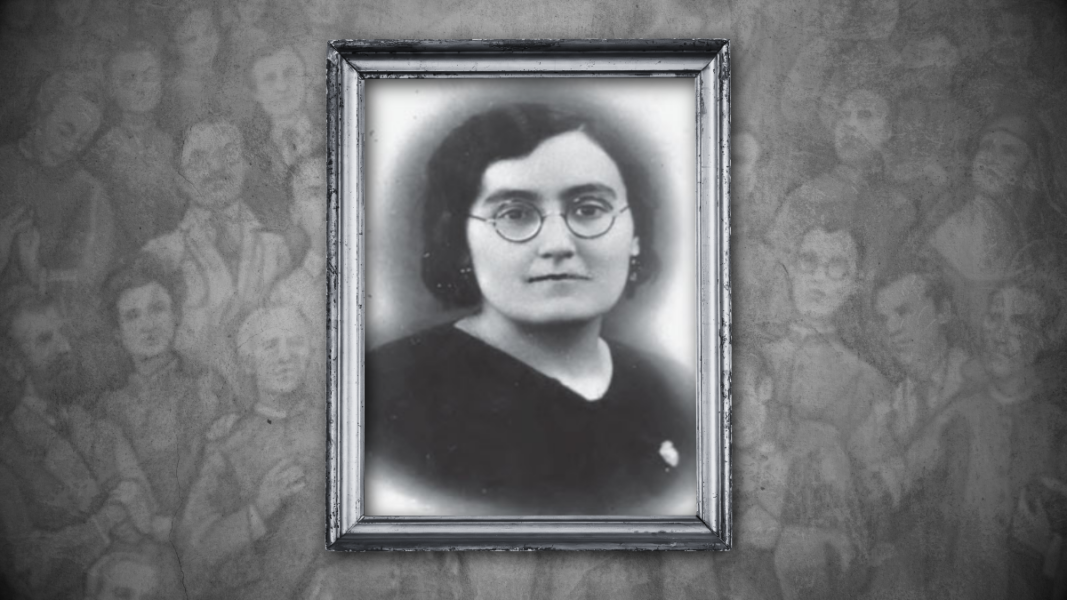
Obdulia Puchol Merino, a lay faithful from Martos (Jaén), stood out for her ardent Christian charity before being martyred on December 8, 1936. At 36 years old and recently widowed, Obdulia dedicated her last years to works of mercy and lay apostolate. She founded in Martos a residence for poor transients, where she provided food, shelter, and medical care to the needy. Additionally, she actively participated in parish life and in the Conferences of St. Vincent de Paul, following the example of her father (forensic doctor and president of that charitable entity). Member of the Third Order of St. Francis, on the day of her death she wore the secular Franciscan habit, a symbol of her lay consecration to God.
Spain in 1936 made no distinctions of age or gender when persecuting the faith. Obdulia, even being a young woman without prominent political militancy, was imprisoned for her notorious Catholic commitment. In the weeks prior to her end, she had continued helping the indigent and spiritually encouraging those around her. However, her profile as a devout Christian caught the attention of the most radical elements. On the night of December 8, 1936 —feast of the Immaculate— a group of militiamen forcibly took her from her home in Monte Lope Álvarez, a hamlet of Martos. According to the historical investigation of her cause, they attempted to abuse her, but Obdulia resisted firmly, defending her dignity and her purity as a daughter of God.
Frustrated in their purpose, her captors then unleashed all their violence. Obdulia Puchol was brutally murdered, ending up with her throat slit in the local cemetery that same night. Her body, dressed in the humble Franciscan habit, remained as a silent witness to a life cut short by anti-Christian hatred. She was 36 years old and offered until the last drop of generosity and faith, opposing evil with the brave meekness of one who trusts in God.
Obdulia is raised to the altars and her spiritual legacy endures in Martos: the residence for the poor that she founded continued to inspire Christian charity initiatives. In the figure of this exemplary widow, the Church recognizes holiness in the ordinary – a family life, service to the needy, participation in the parish community – taken to heroism. Her beatification vindicates the inviolable dignity of the Christian woman and the power of charity, even more potent than death.