


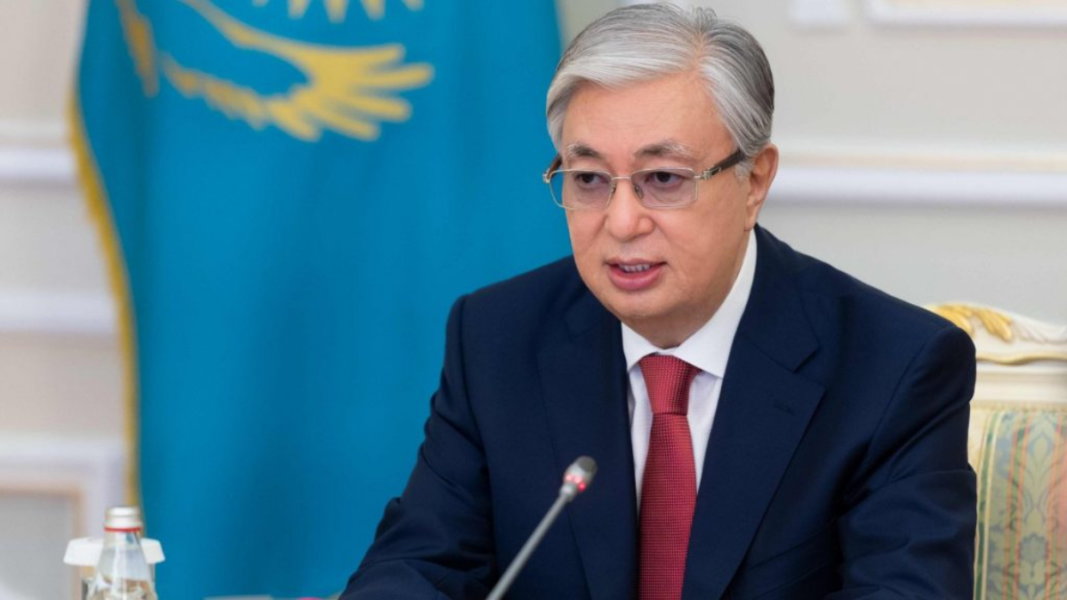
According to LifeSiteNews, the Kazakh Parliament is advancing legislation to prohibit the public and digital dissemination of content that promotes LGBT ideology, a measure backed by President Kassym-Jomart Tokayev and reflecting the majority rejection by the population.
Unanimous approval in the lower house
The Mäjilis, the lower house of the Parliament of Kazakhstan, unanimously approved a bill that prohibits the dissemination of “LGBT propaganda” both in public spaces and on digital platforms. The proposal seeks to prevent the promotion of “non-traditional sexual orientations,” aligning with similar legislation adopted in Russia and other Eastern European countries.
The unanimity of the vote reflects a broad internal consensus around the defense of traditional moral order and the protection of minors from content considered contrary to the country’s cultural values.
Tokayev denounces the imposition of gender ideology
President Kassym-Jomart Tokayev has been one of the most visible defenders of this legislative line. In a speech before the National Congress, he denounced that, for years, international organizations have imposed moral values foreign to their traditions on different countries, including the LGBT agenda.
According to Tokayev, these entities not only influenced the moral debate but also “gravely interfered in the internal affairs of numerous States,” a move that the leader considers a violation of national sovereignty.
Cultural context: a secular country, but socially conservative
Although Kazakhstan is predominantly Muslim, its political structure is secular and not based on sharia. After the fall of the Soviet Union, the country maintained its own identity, where family and social stability hold a central place.
Homosexuality was decriminalized in the 1990s, but social rejection of the LGBT movement’s claims remains majority. Recent surveys indicate that less than 10% of the population supports “marriage” between people of the same sex, a figure that explains the firmness of Kazakh legislators in promoting the initiative.
Parliamentarian Nurlan Auyesbaev has described LGBT propaganda as “an open threat to society and the country,” emphasizing that the State has the obligation to protect minors and ensure moral order.
Pressure from international organizations
The approval of the bill in the lower house generated an immediate reaction from several international organizations and NGOs aligned with progressive positions. Among them are the UN, Human Rights Watch, Civil Rights Defenders, and the Norwegian Helsinki Committee.
According to LifeSiteNews, these groups seek to prevent the Senate from approving the measure, pressuring legislators and appealing to alleged violations of “human rights.” However, the capacity for external influence appears limited, given the internal political climate favorable to President Tokayev’s agenda.
The Senate postpones the debate, but final approval is expected
The discussion scheduled in the Senate for December 4 was postponed, although it is expected that the chamber will resume examination of the bill before the end of the year. The correlation of political forces is clear: both chambers are controlled by parties that support the president’s guidelines.
Everything indicates that the measure will pass its final stage and be finally promulgated, consolidating a more restrictive legal framework regarding the public dissemination of LGBT content.
A national strategy to preserve cultural identity
The legislative initiative is presented as part of a broader strategy to strengthen cultural identity and protect the social fabric from external influences. The Kazakh government maintains that international pressure seeks to alter values deeply rooted in the population, and that the new law responds to the State’s obligation to preserve its own moral model.
The Parliament’s decision places Kazakhstan in the line of other countries that have chosen to legally shield childhood and society from the expansion of gender ideology, prioritizing cultural stability and the common good.