


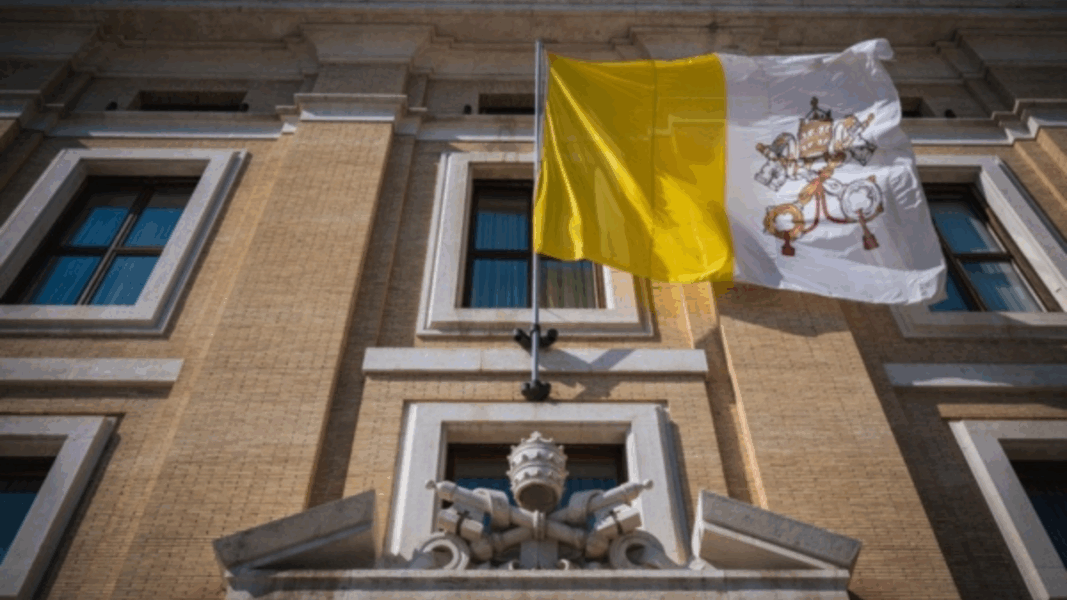
The Holy See has published the 2024 Consolidated Balance, which presents for the first time in years a global surplus of 1.6 million euros. The document, disseminated on November 26 by the Secretariat for the Economy, shows a significant shift compared to the deficit of 51.2 million euros recorded in 2023 and evidences a positive trend that, however, requires consolidation and continuity.
A change of course: improvement in revenues and reduction of the deficit
According to the report, the structural operating deficit was reduced by almost half, going from 83 million to 44 million euros.
This progress is explained by an increase of 79 million in revenues, thanks mainly to donations and hospital activity; a policy of spending control, which cushioned the impact of inflation and the increase in personnel costs; and a very positive financial management, with active results of 46 million, driven by capital gains derived from the new investment policy.
Without including hospital entities, the Holy See closed with a surplus of 18.7 million, although the Secretariat for the Economy warns that part of this improvement comes from non-recurring operations, such as the sale of historical investments.
“A positive direction, but with prudence”
The prefect of the Secretariat for the Economy, Maximino Caballero Ledo, emphasized that the balance reflects “significant progress in consolidating the economic situation”, but insisted on the need for realism:
“It is not just about maintaining budgetary balance, but about strengthening the Holy See’s capacity to make the best use of every contribution received, to make the service to the Church’s mission more solid and sustainable.”
Caballero explained that the operating deficit was reduced thanks to a general increase in revenues and improvements in donations, hospital activity, and real estate management. Even so, he asked not to fall into triumphalism:
“These favorable dynamics must be consolidated with continuity, realism, and discipline.”
Where the funds go: support for local Churches, evangelization, and charity
The report details how the 393.29 million euros allocated to the Apostolic Mission and to the Pontifical Funds (excluding hospitals) are distributed.
Five areas concentrate 83% of the total:
43%: support for local Churches in difficulty and specific contexts of evangelization (146.4 million).
14%: worship and evangelization.
12%: communication of the Pope’s message.
10%: diplomatic presence through the Nunciatures.
10%: charity service.
The remaining 17% supports other ecclesial activities, historical assets, and academic centers.

A hopeful result, but still fragile
The 2024 surplus marks a significant change compared to the previous year and shows that the line promoted by the Secretariat for the Economy is bearing fruit. However, the officials themselves insist that part of the improvement is conjunctural and must be confirmed in the coming years to speak of real stability.
The Vatican thus closes 2024 with a positive result, but aware that financial sustainability is a path that requires time, order, discipline, and a clear vision of the mission.