


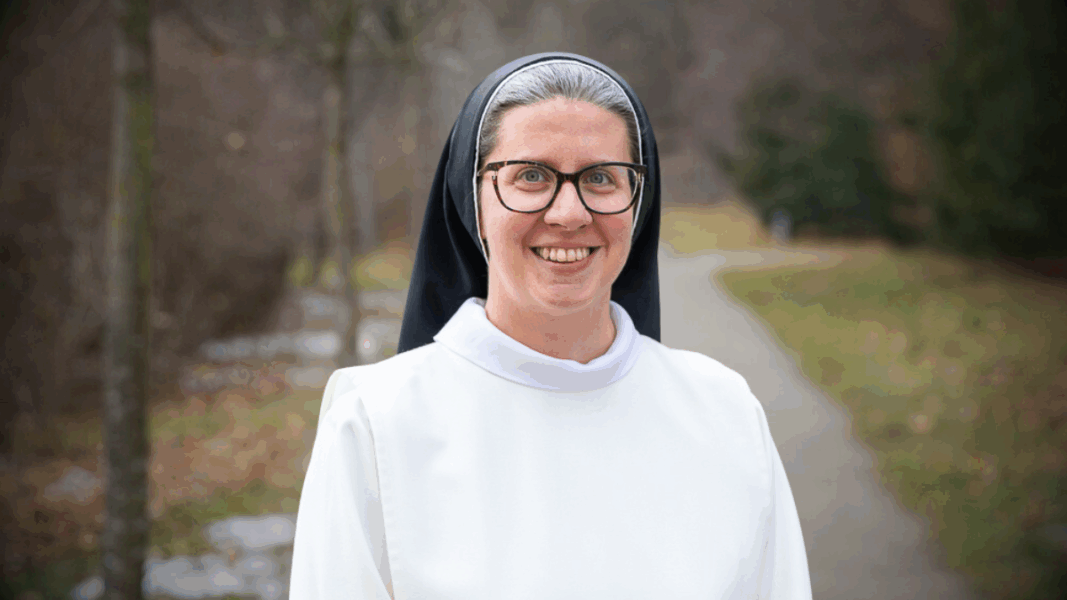
The Conference of Religious Orders of Austria (ÖOK) elected this Monday the Viennese Dominican Franziska Madl as the new president, becoming the first woman to assume this position since the creation of the organization. The election marks a change within the Austrian religious structure and reflects the direction that several orders are adopting in the name of “equality” and “collaboration”, concepts increasingly present in the ecclesial discourse of the country.
Madl, who until now held the vice presidency, succeeds the emeritus Benedictine archbishop of St. Peter’s in Salzburg, Korbinian Birnbacher, who decided not to run for re-election. As the new vice president, the provost Anton Höslinger was elected, from the historic Augustinian monastery of Klosterneuburg.
The term of the new board will be three years, with new elections scheduled for fall 2028.
Madl celebrates her election as a “sign” of the path that the orders want to undertake
In her first statements, Madl assured that her election is a “beautiful sign” of cooperation between religious women and men. She thanked the trust of more than a hundred superiors with voting rights and highlighted the internal climate of collaboration.
However, her election also evidences the ideological direction that part of consecrated life in Austria has been adopting: a growing insistence on “structural equality” within the orders, often presented as a natural evolution, but which does not fail to raise questions about the balance between tradition and new organizational approaches.
The new vice president, Anton Höslinger, expressed it bluntly: the election of a woman “reflects the normality of equality” within religious communities.
A profile marked by internal leadership and theological training
Franziska Madl was born in 1980 in Unterloiben, in the Wachau region. She entered the Dominicans in 2001 and studied Catholic Theology and Religious Pedagogy at the University of Vienna. Throughout her career, she has held several leadership positions within her order, which has made her a recognized figure in the organizational spaces of Austrian religious life.
The Conference of Religious Orders of Austria
The Conference of Religious Orders of Austria today represents 191 male and female congregations, with approximately 3,800 members. The ÖOK was born from the union of two previously separate entities—one for male orders and another for female ones—and received in 2020 official recognition by decree of the Holy See.
Its structure and electoral processes have become a thermometer of the direction that many religious communities in Austria are taking: a more horizontal, more administrative organizational model and increasingly influenced by contemporary management language, while consecrated life in Europe continues to face a sustained decline in vocations and social presence.