


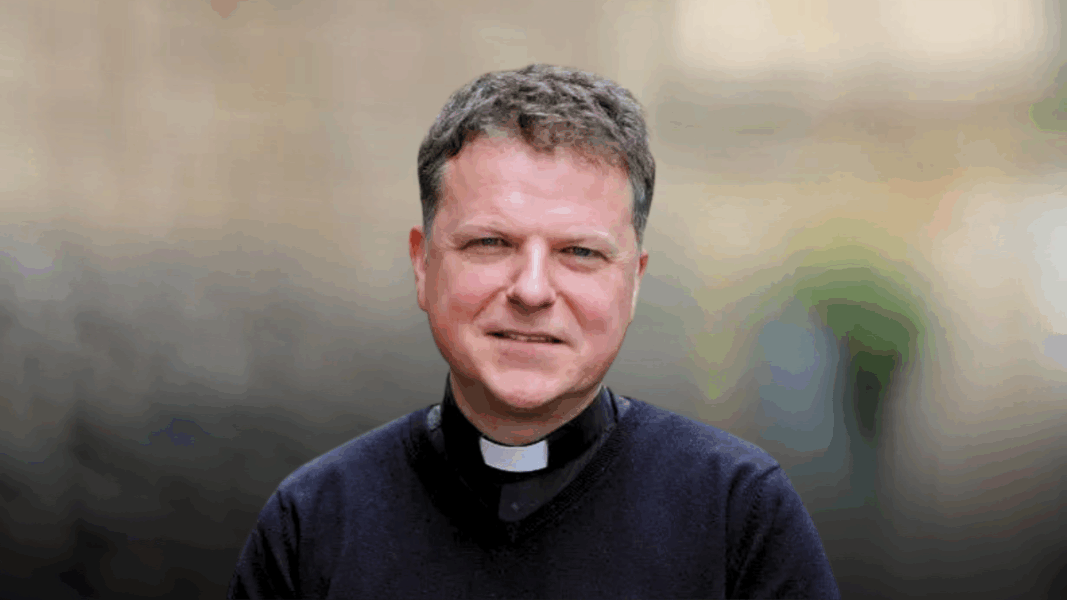
The processing in Scotland of the bill that would legalize assisted suicide has found one of the clearest and firmest criticisms in Mons. John Keenan, bishop of Paisley. According to LifeSite, the prelate has publicly warned that this legislation not only puts sick people, disabled people, and those suffering from mental disorders in grave danger, but also threatens to coerce Catholic institutions, forcing them to accept practices contrary to their identity or face closure.
Mons. Keenan denounced that, if the text advances as it is drafted, residences like the Little Sisters of the Poor in Greenock could lose public funding or be closed for refusing to allow their facilities to be used to cause the death of residents. In a message disseminated on November 21, he encouraged citizens to contact Parliament to stop what he considers “a gravely unjust drift”.
A law “without real limits” that would allow death due to depression, disability, or poverty
The norm, promoted by parliamentarian Liam McArthur, is presented as an initiative aimed at terminally ill patients. However, various pro-life voices agree in pointing out that the project does not really require a terminal diagnosis, nor does it establish minimum safeguards to prevent people in situations of emotional or economic fragility from resorting to assisted suicide.
Mons. Keenan denounced that the law would allow requesting death for causes as diverse as depressive disorders, intellectual disabilities, anxiety, loneliness, social isolation, economic precariousness, or the simple perception of being a burden. For the bishop, this approach not only fails to protect those who already suffer fragility, but normalizes the idea that human life can cease to have value when it stops being comfortable or autonomous.
As he pointed out, almost all Scottish groups representing the elderly, disabled people, and those with mental illnesses have warned that the law exposes them to pressures, serious omissions in care, and irreversible decisions made in moments of extreme vulnerability.
Organizations like Care Not Killing support this denunciation. Its executive director, Dr. Gordon Macdonald, declared to Christianity Today that Scotland runs the risk of ending up with “the most permissive and dangerous legislation in the world” in this matter.
The Church reminds: it is not compassion, it is injustice
The denunciation of Mons. Keenan is also based on the moral teaching of the Church. The Congregation for the Doctrine of the Faith, in a document published in 2020 and cited by LifeSite, stated that it is “gravely unjust” to approve laws that legitimize assisted suicide or euthanasia, because these practices do not accompany the sick person, but eliminate the person at their moment of greatest fragility.
The CDF warned that, in countries where these laws have already been approved, doctors report frequent abuses, including unwanted deaths or decisions made under psychological pressure, fear, isolation, or the feeling of being a burden to others. That risk is confirmed by the official reports of the state of Oregon, where more than half of those who accessed assisted suicide did so motivated by the fear of being a burden, not by uncontrollable physical suffering.
For Mons. Keenan, this reality reveals the true problem: “What these laws present as freedom, in reality, pushes fragile people toward a false way out, instead of offering them support, care, and hope”.