


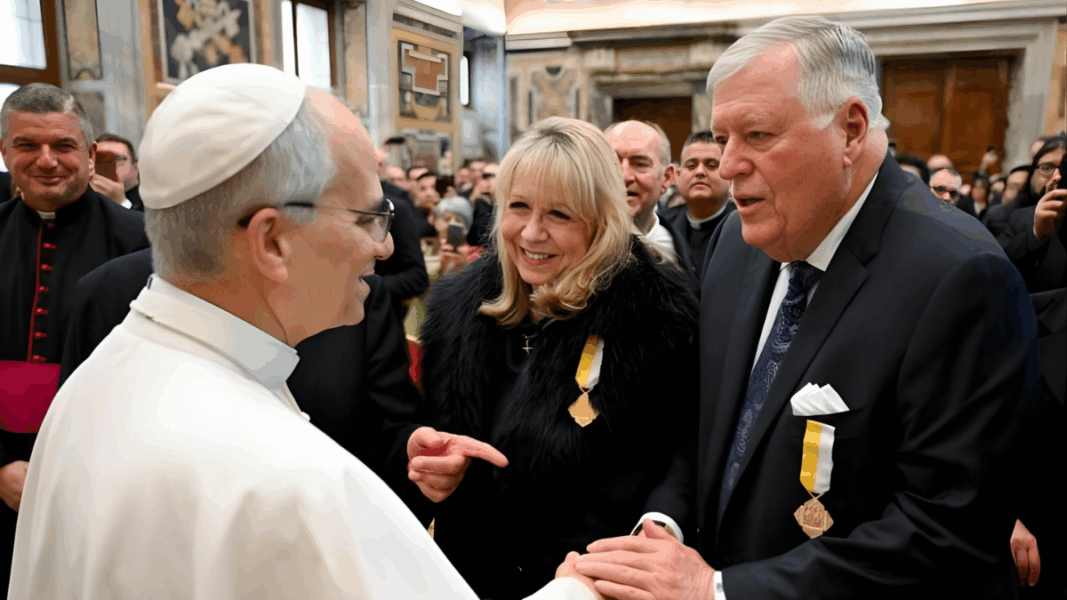
León XIV recibió este viernes en el Palacio Apostólico a los participantes del curso de formación jurídico-pastoral promovido por el Tribunal de la Rota Romana. En un extenso discurso, el Pontífice subrayó la importancia del ministerio judicial en la Iglesia, especialmente en el ámbito de las causas de nulidad matrimonial, a diez años de la reforma impulsada por Francisco.
El Santo Padre desarrolló una reflexión sobre la relación entre teología, derecho y pastoral, una relación que, según advirtió, “con demasiada frecuencia se concibe como compartimentos estancos”, cuando en realidad forman parte de una misma realidad al servicio de la verdad.
La función judicial: servicio de verdad en la Iglesia
León XIV insistió en que la jurisdicción eclesiástica no es un simple mecanismo técnico, sino una expresión de la sagrada potestad de los pastores, entendida —como enseña el Vaticano II— como auténtico servicio. La función judicial, afirmó, es una “diaconía de la verdad” que ayuda a los fieles y a las familias a comprender su situación eclesial y a caminar con rectitud en la vida cristiana.
En este marco recordó la inspiración original de la reforma de Francisco, contenida en los Motu proprio Mitis Iudex Dominus Iesus (para la Iglesia latina) y Mitis et Misericors Iesus (para las Iglesias orientales), donde Cristo aparece como Juez “manso y misericordioso”. El Papa matizó que esta misericordia “no puede manipular la justicia” ni justificar decisiones que oscurezcan la verdad del vínculo matrimonial. Al contrario, la verdadera misericordia —citó a san Agustín— consiste en aliviar el sufrimiento sin comprometer la justicia.
Desde esta perspectiva, explicó, el proceso de nulidad matrimonial no es un trámite frío ni un obstáculo pastoral, sino un acto de misericordia verdadera, siempre que sirva a la verdad y se ejerza sin falsas concesiones.
Matrimonio: una realidad fundada por Dios, no un ideal abstracto
El Papa profundizó después en el fundamento teológico del proceso: el propio matrimonio. Recordó, siguiendo Gaudium et spes, que el vínculo conyugal “no es un ideal”, sino el canon del verdadero amor entre hombre y mujer: total, fiel y fecundo. No es una aspiración subjetiva, sino una realidad objetiva fundada por Dios.
Por eso —añadió— el juez eclesiástico debe discernir con rigor si en una unión concreta existió realmente el misterio de la “una caro”, la unidad que permanece a lo largo de la vida de los esposos incluso cuando la relación humana ha fracasado. El objetivo del juicio no es satisfacer intereses personales, sino servir a la verdad del vínculo, fundamento de la familia como Iglesia doméstica.
El proceso judicial también es pastoral
León XIV pidió valorar el proceso canónico como un bien para la Iglesia y para los fieles, lejos de la idea de que se trata de un aparato burocrático. Explicó que garantizar a las partes la posibilidad de presentar pruebas, conocer los argumentos del otro y recibir una sentencia de un juez imparcial es una forma concreta de justicia y de paz.
Reconoció la utilidad de la mediación, la reconciliación y la convalidación del matrimonio cuando sea posible, pero recordó que en las causas de nulidad “la materia no es disponible para las partes”, porque afecta a un bien público de la Iglesia.
Destacó la mayor conciencia existente hoy sobre la necesaria integración entre pastoral familiar y actividad judicial, señalando que la indagación previa —instrumento recomendado por la reforma de Francisco— ha permitido unir acompañamiento, discernimiento y rigor jurídico.
La ley suprema: la salvación de las almas
En la parte final del discurso, León XIV retomó una idea clave de san Juan Pablo II: la actividad jurídica en la Iglesia es pastoral por naturaleza, porque participa de la misión de Cristo Pastor. Tanto el ministerio pastoral como el judicial, insistió, deben ejercerse siempre con justicia, caridad y prudencia.
Finalmente reafirmó que las dimensiones eclesiológica, jurídica y pastoral convergen en el fin último del proceso matrimonial: la salus animarum, la salvación de las almas. A los jueces, auditores y demás funcionarios les recordó la grandeza de su responsabilidad y les animó a dejar que “la verdad de la justicia resplandezca cada vez más en la vida de la Iglesia”.
El Papa concluyó impartiendo su bendición a todos los participantes.
Dejamos a continuación el mensaje completo de León XIV:
En el nombre del Padre, del Hijo y del Espíritu Santo.
¡La paz esté con ustedes!
Buenos días, buenos días, buongiorno. ¡Bienvenidos todos!
Dirijo a cada uno de ustedes mi cordial saludo. Doy las gracias al Decano de la Rota Romana y a cuantos han colaborado en estas jornadas de estudio y reflexión, destinadas a promover una sólida cultura jurídica en la Iglesia. Me alegra su presencia numerosa y cualificada, como respuesta generosa al llamado que todo buen operador del derecho de la Iglesia siente por el bien de las almas.
El tema que nos guía hoy es el décimo aniversario de la reforma del proceso de nulidad matrimonial, llevada a cabo por el papa Francisco. En su último discurso a la Rota, el pasado 31 de enero, él habló de las intenciones y de las principales novedades de dicha reforma. Remitiéndome a las palabras de mi amado predecesor, en esta ocasión quisiera ofrecerles algunas reflexiones inspiradas en el título de su curso: “Diez años después de la reforma del proceso matrimonial canónico. Dimensión eclesiológica, jurídica y pastoral”.
Me parece útil considerar la relación que existe entre estos tres enfoques. Esta relación es a menudo olvidada, ya que suele concebirse la teología, el derecho y la pastoral como compartimentos separados. De hecho, es bastante común que se contrapongan implícitamente unos a otros, como si un enfoque más teológico o más pastoral implicara menos contenido jurídico, y viceversa, como si un enfoque más jurídico fuera en detrimento de los otros dos aspectos. Así queda oscurecida la armonía que emerge cuando las tres dimensiones se consideran como partes de una misma realidad.
La escasa percepción de esta interconexión proviene principalmente de considerar la realidad jurídica de los procesos de nulidad matrimonial como un campo meramente técnico, que interesaría exclusivamente a los especialistas, o como un medio orientado únicamente a obtener el estado libre de las personas. Se trata de una visión superficial, que deja de lado tanto los presupuestos eclesiológicos de esos procesos como su relevancia pastoral.
Entre esos presupuestos eclesiológicos quisiera mencionar especialmente dos: el primero, relativo a la sagrada potestad ejercida en los procesos judiciales eclesiales al servicio de la verdad; y el segundo, referente al objeto del proceso de declaración de nulidad matrimonial, es decir, el misterio de la alianza conyugal.
La función judicial, como modo de ejercer la potestad de gobierno o jurisdicción, forma parte integral de la realidad global de la sagrada potestad de los pastores en la Iglesia. Esta realidad es concebida por el Concilio Vaticano II como un servicio. Leemos en Lumen gentium: “El oficio que el Señor confió a los pastores de su pueblo es un verdadero servicio, que en la Sagrada Escritura es significativamente denominado ‘diaconía’, es decir, ministerio (cf. Hch 1,17.25; 21,19; Rm 11,13; 1 Tm 1,12)” (n. 24). En la potestad judicial actúa un aspecto fundamental del servicio pastoral: la diaconía de la verdad. Todo fiel, toda familia, toda comunidad necesita la verdad sobre su propia situación eclesial para recorrer bien el camino de la fe y de la caridad. En este marco se sitúa la verdad sobre los derechos personales y comunitarios: la verdad jurídica declarada en los procesos eclesiásticos es un aspecto de la verdad existencial en el ámbito de la Iglesia.
La sagrada potestad es participación en la autoridad de Cristo, y su servicio a la verdad es un camino para conocer y acoger la Verdad última, que es Cristo mismo (cf. Jn 14,6). No es casual que las primeras palabras de los dos Motu proprio con los que se inició la reforma se refieran a Jesús, Juez y Pastor: “Mitis Iudex Dominus Iesus, Pastor animarum nostrarum” en el texto latino, y “Mitis et Misericors Iesus, Pastor et Iudex animarum nostrarum” en el texto oriental.
Podemos preguntarnos por qué Jesús como Juez ha sido presentado en estos documentos como manso y misericordioso. Tal consideración podría parecer, a primera vista, contraria a las exigencias ineludibles de la justicia, que no pueden ser ignoradas en virtud de una compasión mal entendida. Es cierto que en el juicio de Dios sobre la salvación siempre está presente su perdón al pecador arrepentido, pero el juicio humano sobre la nulidad matrimonial no puede, sin embargo, ser manipulado por una falsa misericordia. Debe considerarse injusta cualquier actividad que se oponga al servicio del proceso a la verdad. Sin embargo, es precisamente en el ejercicio recto de la potestad judicial donde debe practicarse la verdadera misericordia. Podemos recordar un pasaje de san Agustín en La Ciudad de Dios: “¿Qué es la misericordia sino cierta compasión de nuestro corazón por la miseria ajena, mediante la cual, si podemos, somos impulsados a aliviarla? Y este movimiento es útil a la razón cuando la misericordia se ofrece de modo que conserve la justicia, tanto en ayudar al necesitado como en perdonar al penitente”. [1] A la luz de esto, el proceso de nulidad matrimonial puede considerarse una contribución de los operadores del derecho para satisfacer la necesidad de justicia tan profundamente arraigada en la conciencia de los fieles, y así realizar una obra justa motivada por la verdadera misericordia. El objetivo de la reforma —hacer más accesible y expedito el proceso, pero nunca a costa de la verdad— aparece así como una manifestación de justicia y misericordia.
Otro presupuesto teológico, específico del proceso de nulidad matrimonial, es el propio matrimonio, tal como fue fundado por el Creador (cf. Gaudium et spes, 48). Con ocasión del Jubileo de las Familias recordé que “el matrimonio no es un ideal, sino la medida del verdadero amor entre hombre y mujer: un amor total, fiel y fecundo”. [2] Como subrayó el papa Francisco, el matrimonio “es una realidad con una consistencia precisa”, “es un don de Dios para los esposos”. [3] En el Preámbulo de Mitis Iudex se reafirma, en el contexto de la reforma procesal, “la doctrina de la indisolubilidad del vínculo sagrado del matrimonio”. [4] En el tratamiento de las causas de nulidad, este realismo es decisivo: la conciencia de trabajar al servicio de la verdad de una unión concreta, discerniendo ante el Señor si en ella está presente el misterio de la una caro, una sola carne, que subsiste para siempre en la vida terrena de los cónyuges, a pesar de cualquier fracaso relacional. Queridos amigos, ¡qué gran responsabilidad les espera! De hecho, como nos recordaba el papa Benedicto XVI, “el proceso canónico de nulidad matrimonial es esencialmente un instrumento para determinar la verdad sobre el vínculo conyugal. Su finalidad constitutiva […] es, por tanto, prestar un servicio a la verdad”. [5]
Por esto, también el papa Francisco, en el Preámbulo del Motu proprio, aclarando el sentido de la reforma, quiso reafirmar la gran conveniencia de recurrir al proceso judicial en las causas de nulidad: “Hemos actuado siguiendo las huellas de nuestros predecesores, que quisieron que las causas de nulidad matrimonial se trataran por vía judicial y no administrativa, no porque la naturaleza de la materia lo exija, sino por la necesidad incomparable de salvaguardar en el máximo grado la verdad del vínculo sagrado: algo asegurado por las garantías del orden judicial”. [6]
La institución del proceso judicial debe ser valorada, viéndola no como una acumulación engorrosa de requisitos procedurales, sino como un instrumento de justicia. En efecto, estructurar una causa de modo que las partes —incluido el defensor del vínculo— puedan presentar pruebas y argumentos en apoyo de su posición, y puedan conocer y evaluar los elementos aportados por la otra parte, en un debate conducido y concluido por un juez imparcial, constituye un gran bien para todos los implicados y para la Iglesia misma. Es cierto que, especialmente en la Iglesia, como también en la sociedad civil, se debe procurar alcanzar acuerdos que, garantizando la justicia, resuelvan los litigios mediante mediación y conciliación. Muy importante, en este sentido, es el esfuerzo por favorecer la reconciliación entre los cónyuges, incluso recurriendo, cuando sea posible, a la convalidación del matrimonio. Sin embargo, hay casos en los que es necesario recurrir al proceso, porque la materia no es disponible para las partes. Es lo que sucede en la declaración de nulidad matrimonial, donde está implicado un bien eclesial público. Es expresión del servicio de la potestad de los pastores a la verdad del vínculo conyugal indisoluble, fundamento de la familia que es la Iglesia doméstica. Tras la técnica procesal, con la aplicación fiel de la normativa vigente, están en juego los presupuestos eclesiológicos del proceso matrimonial: la búsqueda de la verdad y la salus animarum misma. La deontología forense, centrada en la verdad de lo que es justo, debe inspirar a todos los operadores del derecho, cada uno en su propio papel, a participar en esa obra de justicia y verdadera paz a la que se dirige el proceso.
Las dimensiones eclesiológica y jurídica, si se viven realmente, revelan la dimensión pastoral. Ante todo, en los últimos tiempos ha crecido la conciencia de la inclusión de la actividad judicial de la Iglesia en el campo matrimonial dentro de la pastoral familiar en su conjunto. Esta pastoral no puede ignorar ni subestimar el trabajo de los tribunales eclesiásticos, y estos no deben olvidar que su contribución específica a la justicia es una pieza en la tarea de promover el bien de las familias, con particular atención a las que atraviesan dificultades. Esta tarea corresponde a todos en la Iglesia: a los pastores y también a los demás fieles, de modo particular a quienes colaboran en la administración de justicia. La sinergia entre la atención pastoral a las situaciones críticas y el ámbito judicial ha encontrado una expresión significativa en la puesta en práctica de la indagación previa, destinada también a verificar la existencia de motivos para iniciar una causa de nulidad.
Por otra parte, el proceso mismo tiene un valor pastoral. San Juan Pablo II lo expresó en estos términos: “La actividad jurídico-canónica es pastoral por su propia naturaleza. Constituye una participación particular en la misión de Cristo, el Pastor, y consiste en hacer realidad el orden de justicia intraeclesial querido por el mismo Cristo. La actividad pastoral, por su parte, aunque supera con mucho los aspectos jurídicos, incluye siempre una dimensión de justicia. De hecho, sería imposible conducir las almas hacia el Reino de los Cielos sin ese mínimo de amor y prudencia que consiste en el esfuerzo por hacer observar fielmente la ley y los derechos de todos en la Iglesia”. [7]
En definitiva, las tres dimensiones mencionadas nos llevan a reafirmar la salus animarum como la ley suprema y la finalidad de los procesos matrimoniales en la Iglesia. De este modo, su servicio como ministros de justicia en la Iglesia —un servicio que yo mismo desempeñé hace algunos años— revela su gran trascendencia eclesiológica, jurídica y pastoral.
Al expresar mi deseo de que la verdad de la justicia resplandezca cada vez más en la Iglesia y en sus vidas, les imparto de corazón mi Bendición.
[1] IX, 5: PL, 41, 261.
[2] Homilía para el Jubileo de las Familias, los Niños, los Abuelos y los Mayores, 1 de junio de 2025.
[3] Francisco, Discurso a la Rota Romana, 27 de enero de 2023.
[4] Francisco, Motu Proprio Mitis Iudex, Preámbulo.
[5] Benedicto XVI, Discurso a la Rota Romana, 28 de enero de 2006, AAS 98 (2006), p. 136.
[6] Francisco, Motu proprio Mitis Iudex, Preámbulo.
[7] San Juan Pablo II, Discurso a la Rota Romana, 18 de enero de 1990, n. 4.