


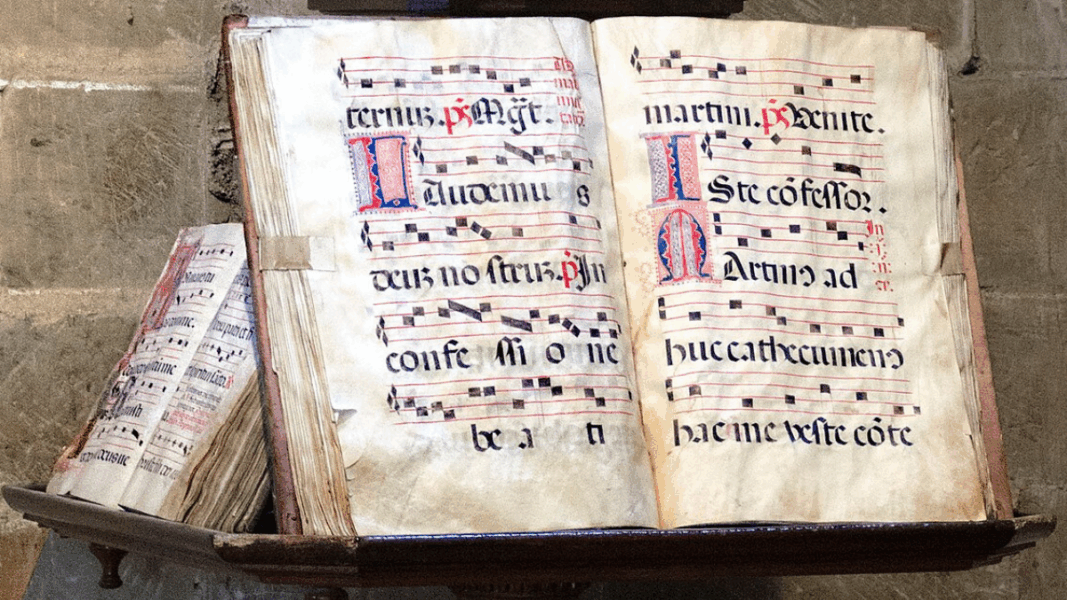
Music not only lifts the spirit: it also strengthens the brain and contributes to preventing cognitive decline. This was affirmed by the Catholic neuroscientist Kathlyn Gan, researcher at the University of Toronto, during a conference given on October 30 at the St. Francis de Sales parish, in Burnaby (Ontario). And, according to her conclusions, sacred music could have even greater benefits.
Gan, former choral director and current liturgical musician in the Archdiocese of Toronto, presented her lecture titled “The Neuroscience of Sacred Music”, in which she explained how musical practice—and especially music associated with the liturgy—can help delay brain aging and reduce risk factors that predispose to Alzheimer’s.
Music Stimulates the Brain and Helps Prevent Alzheimer’s
Relying on recent research, the neuroscientist explained that music activates “multiple brain regions” and strengthens circuits linked to memory, movement, emotion, reward, and empathy. These processes, she noted, contribute to maintaining cognitive functions and generating healthy social connections, another protective factor against the disease.
Gan emphasized that up to 95% of Alzheimer’s cases are associated with non-genetic factors—such as obesity, hypertension, smoking, deafness, trauma, or social isolation—and that regular musical activity can counteract several of these risks.
The scientist, trained at Simon Fraser University and with postdoctoral studies at Stanford, explained that music is also commonly used in therapies with Alzheimer’s patients in intermediate and advanced stages, helping to calm behaviors, improve mood, and strengthen social bonds.
She even recalled that some hospitals in Montreal have begun to prescribe music as part of treatment, in collaboration with the city’s Symphony Orchestra, which offers free tickets to those who receive these “musical prescriptions”.
Why Can Sacred Music Have a Special Effect?
Gan stated that not all music produces the same impact and that it is reasonable to think that sacred music has deeper effects. She defines sacred music as all that—from Gregorian chant and classical polyphony to jazz or gospel—that contributes to the solemnity and beauty of the Mass, helps meditate on the readings and homily, and directs toward the glory of God.
However, she recognizes that it is difficult to scientifically demonstrate this difference, due to the subjectivity of the listener and the diverse level of spiritual formation of each person.
Even so, Gan maintains that sacred music, at minimum, helps grow in faith, to reflect on the Word of God, and to love Christ more intensely. In her personal case, she assures that her musical ministry is a form of prayer that impels her to transmit biblical themes “in a way that respects the historical context of the hymns” and reflects her own spiritual experience.
A Scientific and Pastoral Work That Unite
In addition to her research work, Gan has training from the Royal Conservatory of Music and a distinguished career as a classical pianist. She shares her talent in parishes, nursing homes, and music therapy programs, where she combines science and faith in a concrete way.
Her experience, she noted, has allowed her to admire the “complexity of the human mind”, but also to recognize how music—especially sacred music—helps to imitate the humility, compassion, and love of Christ. “It has enriched my faith and encouraged my spiritual growth”, she affirmed.