


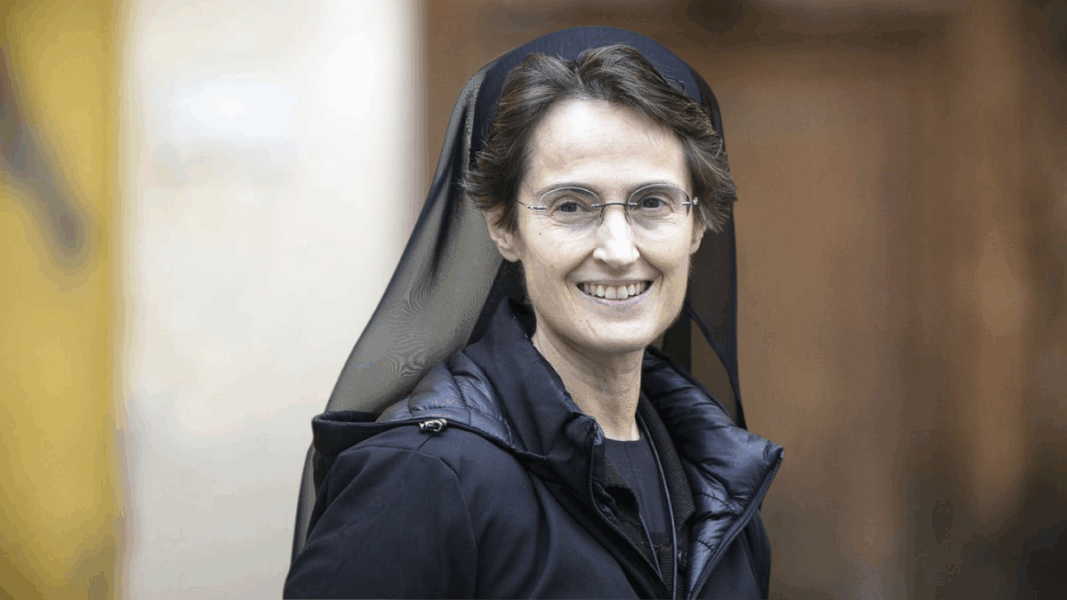
Leo XIV has promulgated his second Apostolic Letter in the form of Motu Proprio, through which he modifies the composition of the Pontifical Commission for the State of Vatican City. The reform, which is merely procedural, introduces two central novelties: first, the possibility that this body is not composed solely of cardinals, which will allow the Pope to incorporate other members into the Commission—laypeople, religious, or experts— and thus foster more diversified leadership; second, the establishment of clear temporal limits for appointments, setting a five-year term that contributes to more orderly and evaluable management.
The entry into force of this modification legalizes the appointment of the religious Raffaella Petrini, who assumed the position in March 2025 under Francis’s mandate, as president of the Commission for the State of Vatican City.
The document, signed on November 19 in St. Peter’s and published on the 21st of the same month, underscores the need to consolidate a more co-responsible model of governance in the face of the growing challenges of Vatican State administration. Following in the footsteps of Francis, the Motu Proprio fits into the line marked by Praedicate Evangelium, the Apostolic Constitution that reorganized the Curia under the principle of an “operational communion” among its various bodies.
A step in tune with the synodal agenda
The reform is situated within the synodal dynamic that guides the current stage of the Church. It is not just about adjusting legal aspects of the Vatican State, but about applying to its own structure the principle of co-responsibility that is demanded of dioceses around the world.
In a recent interview on the implementation phase of the Synod, the undersecretary of the General Secretariat of the Synod, Nathalie Becquart, explained that true synodality implies “investing in concrete practices”, not simply talking about them. Her vision helps to understand the meaning of the Motu Proprio: opening up the space for decision-making, broadening work teams, and creating structures that reflect a shared mission.
According to Becquart, the synodal path does not have a single model. What is essential —she affirms— is that each local Church, according to its context, adopt mechanisms that allow it to walk, discern, and decide with the entire People of God. This translates into practical proposals: introducing spiritual dialogue in parish councils, organizing synodal assemblies, establishing diocesan pastoral conferences, expanding the participation of laypeople (especially young people and women) in leadership roles, and training seminarians and priests to exercise truly synodal authority.
A sign of the new Pope’s governing style?
The change does not represent a break with previous stages nor a shift in style from the new Pope. It is a matter of direct continuity with the ongoing reform process.
The entry into force of the document is immediate from its publication in L’Osservatore Romano, and it will be incorporated into the official commentary of the Acta Apostolicae Sedis.