


The Vatican has made public the interim reports from the ten Synod Study Groups on synodality, a process that continues to expand and accumulate new lines of work without yet resolving the most delicate points. Following a stage marked by the death of Francis and the election of Leo XIV, the groups are advancing at uneven paces, reviewing topics ranging from liturgy to digitalization, including relations between bishops and laity, polygamy in Africa, and women’s participation in the Church. The Pope has set December 31, 2025 as the deadline for delivering the final reports, a sign that the process will continue to influence ecclesial life over the next year and a half.
The theological and pastoral discernment on polygamy
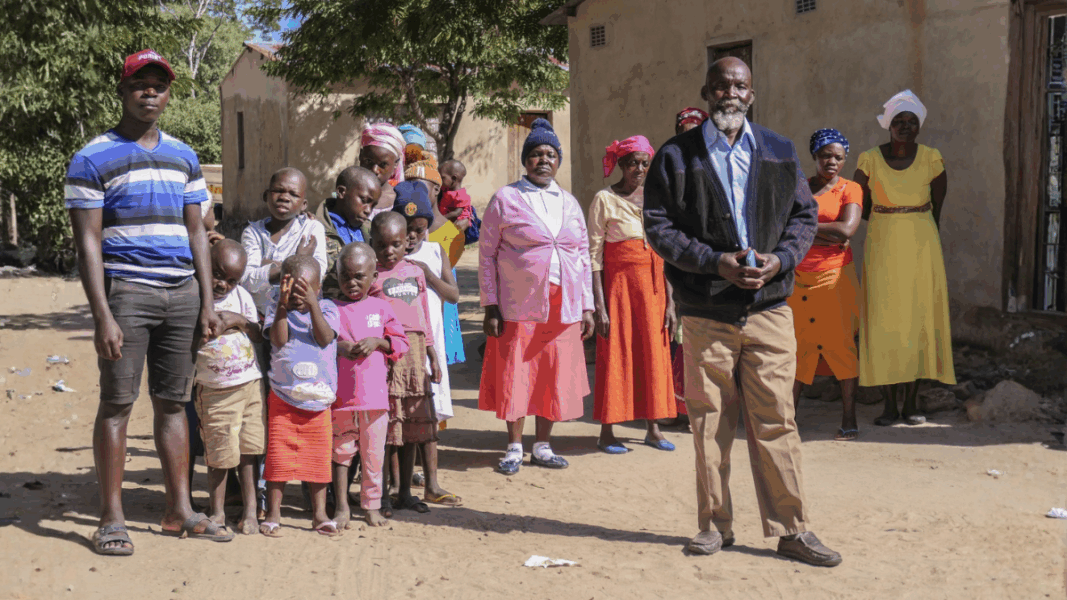
The Church in Africa has concluded the intermediate phase of a delicate study: the theological and pastoral discernment on polygamy, a phenomenon widespread in numerous regions of the continent. The work, carried out by a group of experts from the SECAM (Symposium of Episcopal Conferences of Africa and Madagascar), analyzes how to accompany people in polygamous unions who approach the faith without compromising Christian teaching on marriage.
The team—composed of twelve specialists in theology, canon law, anthropology, and pastoral care—employed a three-phase methodology: listen, evaluate, and commit. This included listening to African cultural reality, biblical testimony, the magisterium on monogamous marriage, and existing pastoral experiences in various dioceses.
The central question is clear: how to accompany baptized individuals coming from polygamous marriages and, at the same time, reaffirm that Christian marriage is indissoluble and between one man and one woman?
An accompaniment that must lead to conversion, not accommodation
The study highlights the pastoral urgency of acting with prudence and clarity. The experience of faithful who arrive at the Church from polygamous structures raises concrete questions: family responsibilities, integration into the community, and access to the sacraments. The Church’s mission demands accompaniment without confusion, avoiding any concession that could be interpreted as legitimizing a practice incompatible with Christian faith.
Polygamous realities involve family responsibilities and painful human situations, but the Church has never blessed simultaneous bonds that contradict the total self-giving between one man and one woman. Accompanying those who come to the faith from polygamous structures also means helping them order their lives according to the Gospel, not reinterpreting the Gospel to avoid tensions.
The Church must evangelize cultures, not be absorbed by them
The final report will be submitted again to the Dicastery for the Doctrine of the Faith, which will have the final word on a topic where moral theology, canon law, and evangelizing mission converge. The Church in Africa will continue to face this challenge with the dual commitment to respect the dignity of persons and to safeguard the truth of Christian marriage.
Read also: The Vatican will publish a new document on marriage at the end of November
The challenge for Africa is great, but also an opportunity. The Synod must reaffirm that the evangelizing mission transforms cultures from within, never at the price of lowering moral truth. Doctrinal fidelity is not a pastoral obstacle: it is the condition for all authentic Christian pastoral care. The SECAM’s final report must reflect this principle with unequivocal clarity.