


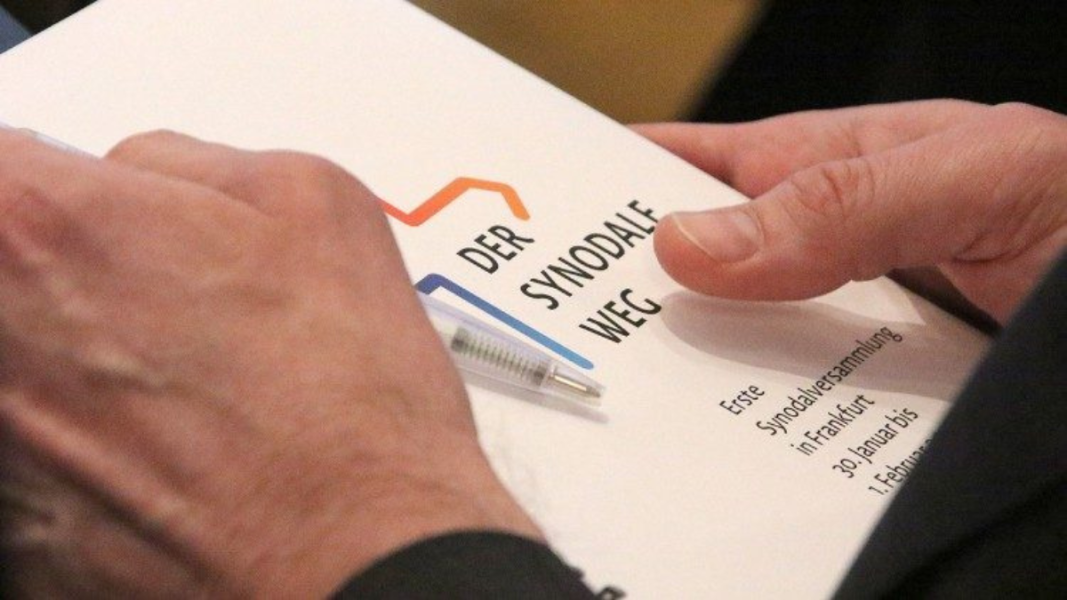
The Diocese of Magdeburg (Germany) has announced that it will allow the intervention of laypeople in the discernment process prior to the election of the successor to Msgr. Gerhard Feige, who will reach the age of resignation in November 2026. The decision, presented as an exercise in “transparency and participation,” is part of the dynamic of the controversial German “Synodal Way,” whose stated objective is to transform structures and expand the influence of lay organizations in areas traditionally reserved for episcopal governance.
A Replica of the Paderborn Model, Questioned by the Holy See
According to the diocese, the cathedral chapter has sent a letter to the Diocesan Council explaining the steps toward the future vacant see and inviting eight laypeople to join the consultative meetings alongside the canons. The structure reproduces the model applied in Paderborn during the election of Archbishop Udo Markus Bentz or the creation of a mixed seminary. That precedent provoked objections from Rome for attempting to expand lay participation beyond the canonical framework, reminding that episcopal election is not a democratic process, but an ecclesial discernment in communion with the Pope.
Although the Magdeburg officials assure that the participation will be “an advisory role,” the gesture sends an unequivocal message: it is intended to legitimize that non-ordained actors influence a process that the Church has always entrusted, by apostolic mandate, to the episcopal ministry and to the confirmation of the Holy See.
A Procedure Regulated by the Prussian Concordat That Admits No Reinterpretations
It is worth remembering that the election of the bishop in Magdeburg is still subject to the 1929 Prussian Concordat: the chapter and the bishops of the province present a list of candidates to Rome, and the Holy See selects a shortlist from which the chapter chooses the new bishop. That procedure is legally safeguarded, and no parallel structure—no matter how synodal it presents itself—can alter the core of the decision.
Risk of Institutionalizing a Lay Pressure Alien to Tradition
The Diocese of Magdeburg defends that this opening represents “a step toward transparency.” But there is concern that these initiatives—apparently minor—consolidate in practice a real displacement of episcopal authority toward organs of a sociopolitical nature. The Synodal Way has promoted from the beginning a reconfiguration of power in the German Church, reinterpreting authority from criteria of representativeness alien to the Catholic tradition.
That a lay group intervenes in the candidate analysis phase, even if it does not vote, implies a cultural change that seeks to influence in a determining way a process that has a sacramental and ecclesiological nature, not parliamentary. This type of «innovations,» which are presented as harmless, are steps to advance in the Synodal Way—soon Synodal Conference—.
Read also: Rome and the German bishops advance in the creation of a “Synodal Conference”
The Synodality Assembly held in Rome asked to listen to the voice of the faithful, yes, but without altering the essential elements of the episcopal ministry. Germany, however, continues to push the limits, introducing reforms that show a persistent will to transform the hierarchical structure of the Church through lay mechanisms of “participation”.