


As Catholic Culture recalls, many in Rome ironize by saying that “popes come and go, but the Curia remains”. The term “Deep State,” taken from American politics, serves to describe that network of officials and cardinals who maintain institutional control beyond the pontificates.
Farrell, the man of the system
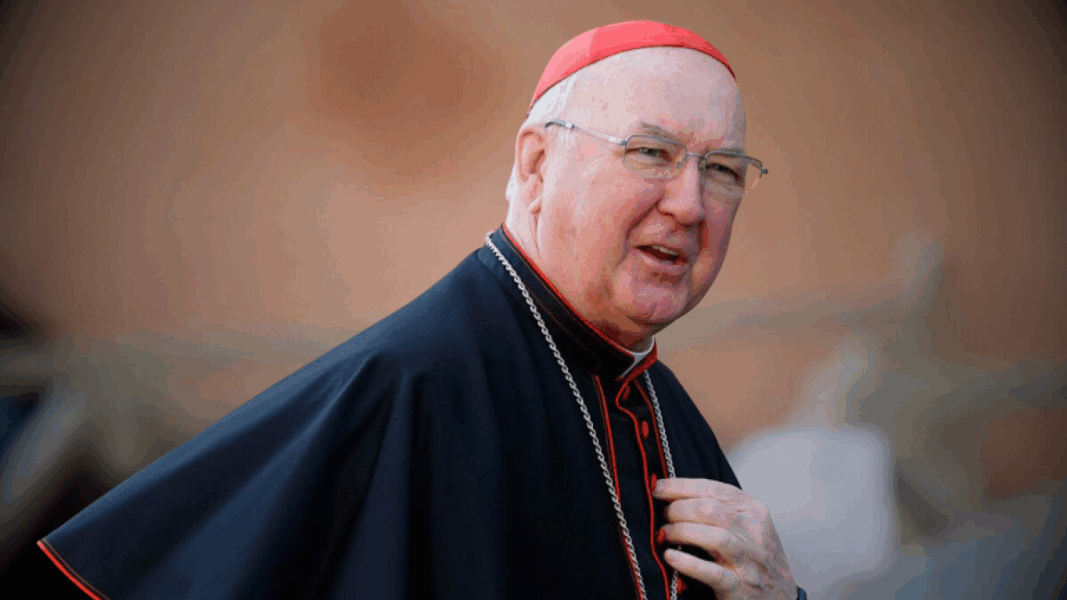
At the center of that structure is Cardinal Kevin Farrell, an Irishman with long experience in the United States, transferred to Rome by Pope Francis in 2016. He was appointed prefect of the Dicastery for the Laity, Family, and Life, and later Cameralengo, responsible for the Vatican’s material affairs during the sede vacante.
But, as The Pillar details, his visible positions are only the tip of the iceberg. In recent years, Farrell has been placed at the head of a network of bodies that grant him unprecedented control over the Vatican’s investments and finances:
- President of the Commission for Reserved Affairs (2020), in charge of economic operations exempt from civil oversight.
- Member of the APSA board, the Holy See’s patrimonial administration.
- President of the Investment Committee (2022), which was supposed to ensure the ethics of investments, but which—according to internal sources—transformed into an executive body of power.
- Sole Director of the Vatican Pension Fund (2024), after the dissolution of its board of directors.
According to internal documents cited by The Pillar, the fund’s liquidity fell by 87% between 2022 and 2023, while Farrell’s committee ordered the sale of assets and reinvestment in external funds of its choice.
The shadow of the “Deep State”
For Catholic Culture, the Farrell case illustrates how the Curia tends to absorb any reform that threatens its balances. The article states that Farrell is “the ideal guardian of the bureaucratic status quo”, someone who “does not warn of indiscretions nor denounce irregularities,” and who protects the interests of permanent bodies against reformist impulses.
Even Pope Leo XIV, who has promised austerity and efficiency, has kept the structure inherited from Francis intact so far, confirming the same prefects and advisors “donec aliter provideatur.” This continuity, analysts warn, could mean that real power remains in the hands of the same curial network that has dominated the Vatican apparatus for decades.
A dilemma for the new pontificate
At nearly eighty years old, Farrell is approaching mandatory retirement, and Leo XIV will have to decide whether to maintain the inherited centralized model or open the way for a new generation of ecclesiastical managers. However, the political and economic weight that the cardinal has accumulated makes his succession a delicate matter.
Both publications agree that the reform of the Curia is not at stake in speeches, but in the control of financial flows. As long as that power remains concentrated in a small group of cardinals and officials who transcend the pontificates, the Vatican will continue to face its own “Deep State”: a machinery expert in surviving, adapting, and retaining command.