


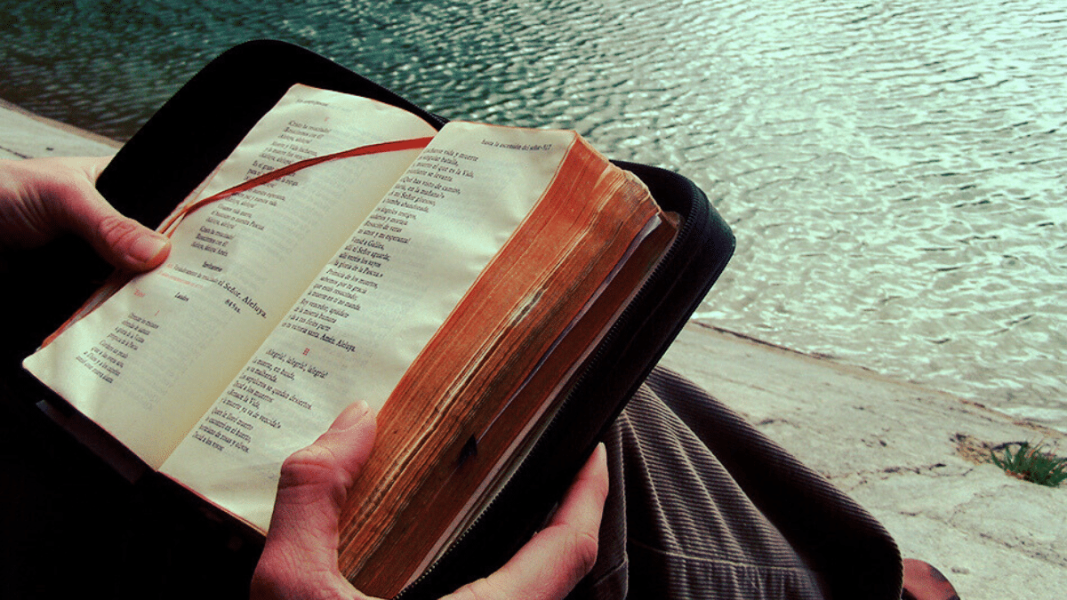
The ancient and powerful “Office of the Dead” is one of the most solemn jewels of the Catholic liturgy, intended to offer suffrages for the souls in purgatory. We remember it today, November 2, a day especially dedicated to praying for the faithful departed, recalling that the Church does not forget its dead, but intercedes for them with the confidence that “love is stronger than death.”
“Let us not hesitate to assist those who have died and to offer our prayers for them,” exhorts St. John Chrysostom.
A liturgy accessible to all the faithful
The “Office of the Dead” is part of the Liturgy of the Hours, and it can be recited privately at any time—except on Sundays or solemnities. Although it was traditionally prayed in community or in choir, today it can be offered even by a single faithful in solitude, spiritually uniting with the prayer of the entire Church.
The beauty of this prayer lies precisely in its liturgical character: it is not just another private devotion, but the official prayer of the Church for its departed children. In it resounds the Catholic faith in the communion of saints: the living intercede for the souls in purgatory, and they, in turn, pray for those who still pilgrimage “in this valley of tears.”
From the monastic choir to the heart of the layperson
After the Second Vatican Council, the liturgical reform allowed the Liturgy of the Hours—and therefore the Office of the Dead—to be opened also to the laity, fulfilling the desire that more Christians participate in the official prayer of the Church. Although some traditional hours, like Prime, were suppressed, access to the recitation of the breviary was expanded for all the faithful.
Even so, many Catholics are unaware of the existence of this office and its spiritual richness. In the words of the author, praying the Office of the Dead is a simple, doctrinally solid, and deeply Catholic way to help the souls: an act of spiritual mercy that nourishes hope in the Resurrection.
A forgotten treasure of Tradition
The recitation of the Office of the Dead not only benefits the souls in purgatory, but also educates the living in Christian hope, reminding them that death does not have the last word. Praying for the dead is one of the oldest works of mercy in the Church and a tangible expression of the communion of saints.
In times when the memory of death is increasingly rejected, this practice recovers its original meaning: the certainty that every soul has eternal value and that praying love can reach even beyond the grave.
Source: National Catholic Register