


By: José Pérez Adán
A while ago, while reading a renowned theologian who had captivated me with his previous book, I came across the following quote: “I cannot participate in the pro-life marches, they have obsessively clung to this issue, and they turn Christianity into a militant crusade with the mission of criminalizing abortion and prohibiting contraception”. The author, a priest, professor, and international lecturer, flaunted his, otherwise, militant profession of faith in the preferential option for the poor (POP), denouncing those who, by doubting it, he considered traditional Catholics.
There is a lot of hypocrisy in the POP, which often amounts, in my opinion, to a selective and empty solidarism on the part of those who, from the progressivism of consecrated religious with a media pulpit, have been infected by the Palestinian evil. It is that evil which, in the words of Golda Meir, makes hatred (of the Jews) surpass love (for their own children). In that theologian, the hatred for pro-lifers surpassed the love for the yet unborn. The professor’s stance could also be nuanced by saying that, for him, the political belonging or identity assumed was more important than the evangelical creed. As is said now: academic life is sustained by a strong vain impulse.
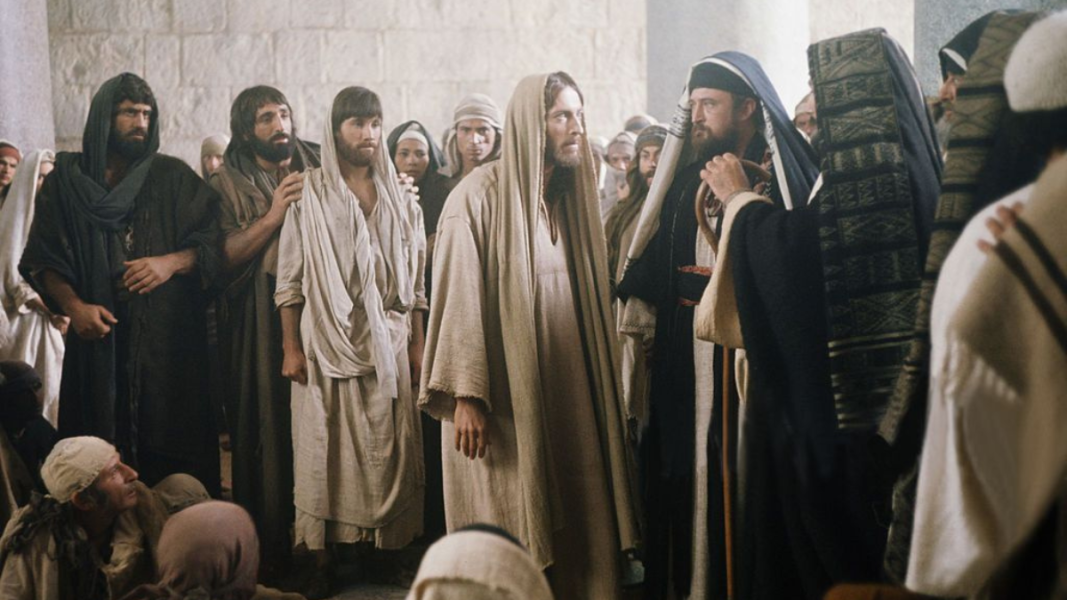
In evangelical terms, Christian culture is, in certain environments, facing the challenge of a drift toward Pharisaism, the great collective sin of the Jewish ecclesial structure in Christ’s time. Today, political correctness positively sanctions compassion for the needy, the cause of the poor, and the defense of equality. At the same time, it rejects the defense of dependent life and militancy for the dignity and rights of intrauterine life. Embracing this double standard proposed by current culture is, on one hand, falling into great hypocrisy when it is done from the ecclesial pulpit or platform. It is also, on the other hand, a sovereign betrayal that makes the gestated human a double victim: of the others and of the ones.
How is it possible that so many ecclesiastics fill their mouths talking about the POP and, however, close them to fight the battle for life against the established powers? Is it a matter of the image of power that gives power, of the desire to increase levels of public acceptance as a path that enhances their authority? In several Western countries, praying in public spaces adjacent to extermination centers and abortion death chambers is penalized; how many powerful ecclesiastics have ended up in jail for it? Could it be that the POP acts in them as a malevolent conscience-washer that allows ecclesial power to remain in its position without considering the necessary and coherent resignation?
We are in times of waning strength and fidelity, questioned from a certain ecclesial pastoral with irenist excuses. They say that the POP is the main evangelical emergency for the times we live in. They are wrong; it is the pro-life cause. It may also be that I am wrong, and that the main emergency is not even the defense and dignity of human life in each of the stages of its existence, but rather the lack of coherence and courage of those who hold power in the Church. It may be. I dare to think, however, and perhaps illusorily, that if the Pharisaism that serves as a hideout for so much cowardice and justification disappeared, a large part of those who today distract us with other demands would get involved in what is today the most demanding claim before a murky, “correct,” and cruel culture: the pro-life cause.
_________________________
José Pérez Adán is a professor of Sociology and rector of the Universidad Libre Internacional de las Américas.