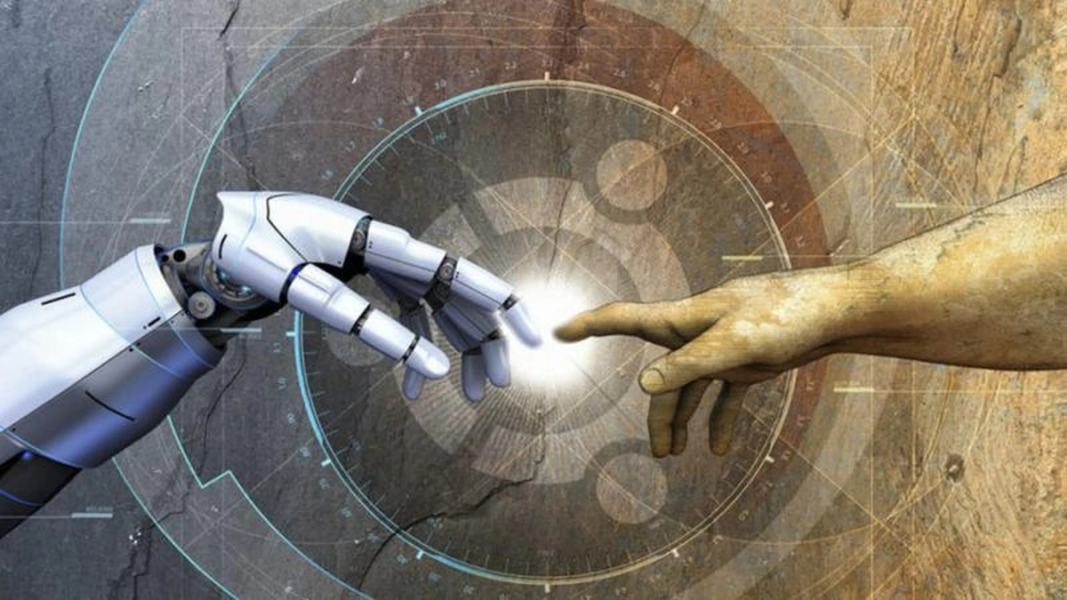
The AI crosses the threshold of what is distinguishable by the human eye
by INFOVATICANA |
In just a few weeks, the world has crossed a threshold that many feared and few were truly prepared to face. With the latest version of Sora, OpenAI’s AI video generator, the human eye is no longer able to distinguish reality from simulation. We’re no longer talking about imperfect animations or visual tricks: AI-generated images are, literally, indistinguishable from those recorded by a real camera.The consequences are immediate and profound. In recent days, major media outlets have disseminated—unwittingly—falsities created by artificial intelligence: fake images of the robbery at the Louvre, non-existent protests, false statements from politicians and celebrities, and even scenes of disasters that never happened. Everything so plausible, so perfectly lit and natural, that millions of people share it convinced of its authenticity.The phenomenon has also reached the religious world. On social networks, videos circulate of the Pope delivering speeches that never existed: sweet, naive words, laden with sentimentality, that precisely imitate his voice, his gestures, and his pastoral tone. Some reach millions of interactions before someone manages to debunk them. Cardinal Raymond Burke, victim of deepfakes that attributed excessive criticisms to the Holy Father, had to publicly clarify that he had never uttered those words.Even moving scenes, such as nuns baptizing the dying in hospitals, have been entirely fabricated by algorithms. Millions of faithful are moved, discuss, opine on the right of any person to administer the sacrament of baptism in case of risk of death… and they don’t realize that they are debating an illusion.
We are entering an era of radical post-truth, where visual evidence—the foundation upon which modern journalism was built—no longer proves anything. Trust becomes a scarce commodity: «seeing is believing» will no longer suffice. It will be necessary to return to the elementary principles of discernment, to sources, to context, to the mediation of institutions that still retain credibility.
Paradoxically, amid the informational collapse generated by social networks, traditional media and discerning portals regain an essential mission: to be filters, not only of information, but of truth. Not as censors, but as custodians of common sense. Sora’s technology confronts us with a fundamental theological and moral question: if we can no longer trust our senses, where do we place the truth?