


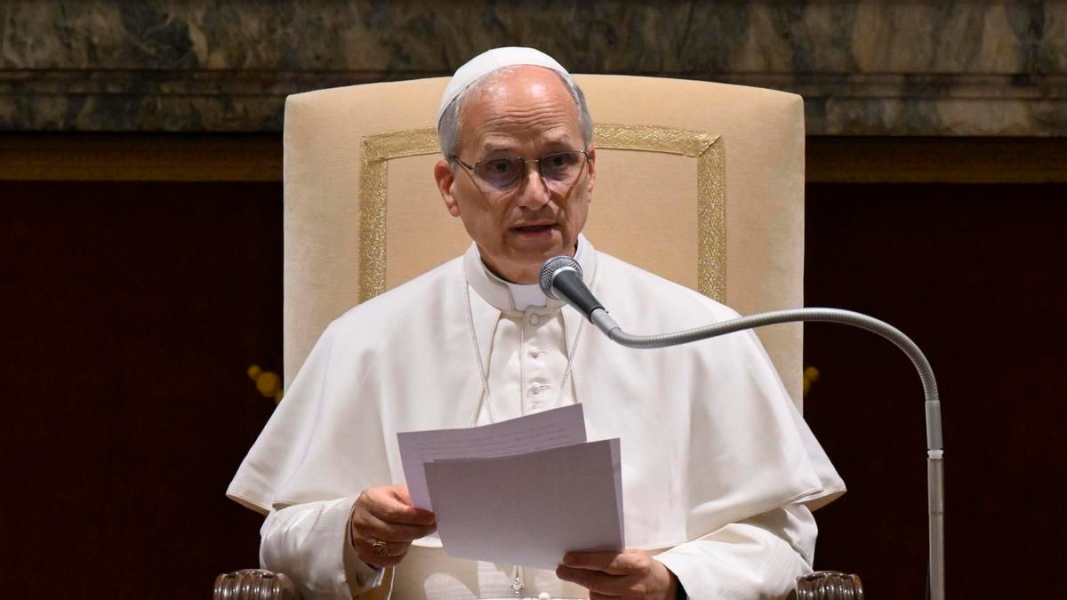
Leo XIV has authorized the Dicastery for the Causes of the Saints to promulgate several decrees on the martyrdom and heroic virtues of new servants of God, whose testimonies of faith span from Nazi persecution to the contemplative life of past centuries. The decision was announced on October 24, 2025, following the audience granted to Cardinal Marcello Semeraro, prefect of the dicastery, as reported by the Bulletin of the Holy See.
With this approval, the Church takes another step in the official recognition of those who, in different contexts and eras, lived and died for their fidelity to Christ.
Salesian Priests Martyrs of Nazism
The first decree recognizes the martyrdom of the servants of God Jan Świerc and eight companions, priests of the Salesian Society of St. John Bosco, murdered out of hatred for the faith between 1941 and 1942 in the camps of Auschwitz (Poland) and Dachau (Germany). The nine religious were arrested and executed for remaining firm in their ministry and in their defense of the dignity of young people and freedom of conscience, at a time when the Nazi regime considered any sign of faith suspicious.
Their testimony—like that of so many priests who shared the fate of thousands of victims in concentration camps—reaffirms the martyrial dimension of priestly life, especially in contexts of totalitarian persecution.
Martyrs of Communism in Eastern Europe
The second decree refers to the martyrdom of the priests Jan Bula and Václav Drbola, executed between 1951 and 1952 in the city of Jihlava, in what was then Czechoslovakia, during the religious repression of communist regimes. Both priests were imprisoned, tortured, and sentenced to death for refusing to break their communion with the Church and rejecting the ideological manipulation of the priesthood.
Their lives are inscribed among those of many priests, religious, and laity who paid with their blood for their fidelity to Christ, testifying that faith cannot be subjected to the interests of political power.
Five New Examples of Heroic Virtues
Pope Leo XIV also approved the decrees on the heroic virtues of five servants of God who lived holiness in their daily service, from missionary ministry to monastic life:
- Ángelo Angioni (1915–2008), Italian diocesan priest, founder of the Missionary Institute of the Immaculate Heart of Mary, who dedicated his life to evangelization in Brazil.
- José Merino Andrés (1905–1968), Spanish Dominican, noted for his fidelity to the priesthood and his zeal for preaching.
- Gioacchino of the Queen of Peace (Leone Ramognino, 1890–1985), Italian Discalced Carmelite, an example of contemplation and obedience in a life consecrated to silence and prayer.
- María Evangelista Quintero Malfaz (1591–1648), Spanish Cistercian nun, a woman of profound spiritual life, whose existence was marked by Eucharistic adoration and humility in the cloister.
What This Recognition Means
The Pope’s recognition of martyrdom means that the Church officially declares that a person gave their life for Christ and for the faith, dying “in odium fidei,” that is, out of hatred for the Christian faith. This decree is equivalent to the recognition of the holiness of their testimony and opens the direct path to the beatification of the martyr, without the need for a miracle attributed to their intercession.
In contrast, the recognition of heroic virtues indicates that the servant of God lived the theological and moral virtues—faith, hope, charity, prudence, justice, fortitude, and temperance—in a heroic degree, that is, with an extraordinary dedication to God and neighbor. From this decree onward, the candidate receives the title of “Venerable” and can be beatified once a miracle attributed to their intercession is verified.
These acts, which the Pope approves in the name of the Church, not only honor the memory of the saints and martyrs, but also invite the faithful to imitate their example as witnesses of hope and fidelity to the Gospel in today’s challenges.