


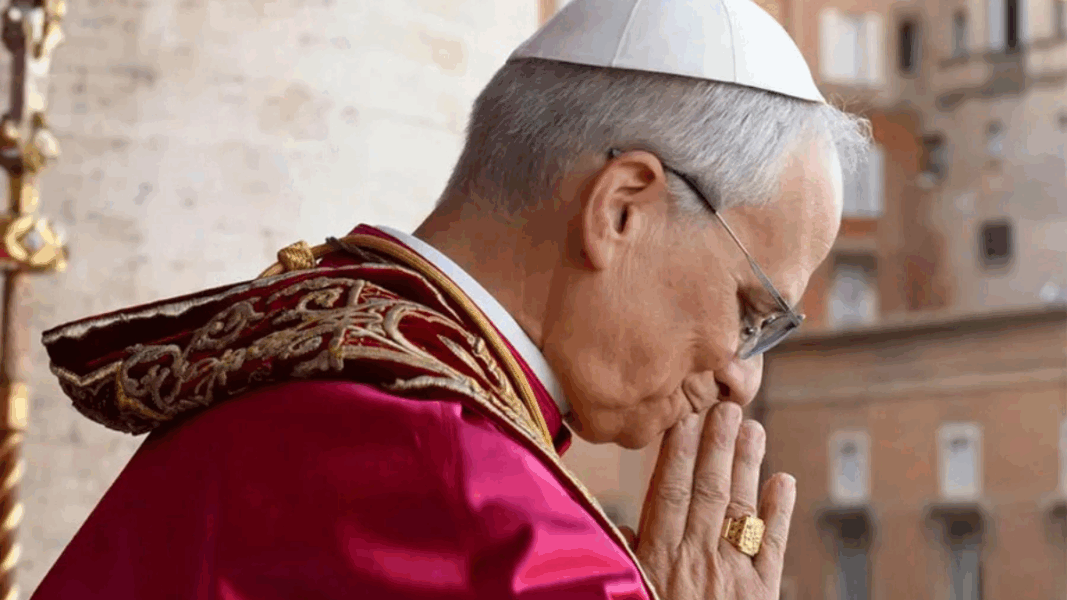
Dilexi Te, published by Leo XIV, deals with the poor, as you already know. It has 121 points, but between 112 and 114 there is a reference to groups and movements that we cannot fail to gloss.
112. Sometimes a lack or even absence of commitment to the common good of society is perceived in some Christian movements or groups, and in particular to the defense and promotion of the weakest and most disadvantaged. In this regard, it is necessary to remember that religion, especially the Christian one, cannot be limited to the private sphere, as if the faithful did not also have to concern themselves with problems related to civil society and events that affect citizens. [125]
113. In reality, «any community of the Church, insofar as it claims to subsist quietly without creatively engaging and efficiently cooperating so that the poor can live with dignity and to include everyone, also runs the risk of dissolution, even if it speaks of social issues or criticizes governments. It will easily end up sunk in spiritual worldliness, disguised with religious practices, with unfruitful meetings or with empty speeches». [126]
114. We are not speaking only of assistance and the necessary commitment to justice. Believers must realize another form of incoherence with regard to the poor. In truth, «the worst discrimination that the poor suffer is the lack of spiritual attention […]. The preferential option for the poor must be translated primarily into a privileged and priority religious attention». [127] However, this spiritual attention toward the poor is called into question by certain prejudices, also on the part of Christians, because we feel more comfortable without the poor. There are those who continue to say: “Our task is to pray and teach the true doctrine.” But, by disconnecting this religious aspect from integral promotion, they add that only the government should take care of them, or that it would be better to leave them in misery so that they learn to work. Sometimes, however, pseudo-scientific criteria are assumed to say that the free market will spontaneously bring the solution to the problem of poverty. Or even, a pastoral care of the so-called elites is chosen, arguing that, instead of wasting time with the poor, it is better to deal with the rich, the powerful, and the professionals, so that through them more effective solutions can be achieved. It is easy to perceive the worldliness that hides behind these opinions; these lead us to observe reality with superficial and devoid of any supernatural light criteria, preferring social circles that reassure us or seeking privileges that suit us.
What ecclesial group or movement is the Pope referring to when he speaks of those who focus on the apostolate of the elites? What does he insinuate when he speaks of what runs the risk of dissolution?