


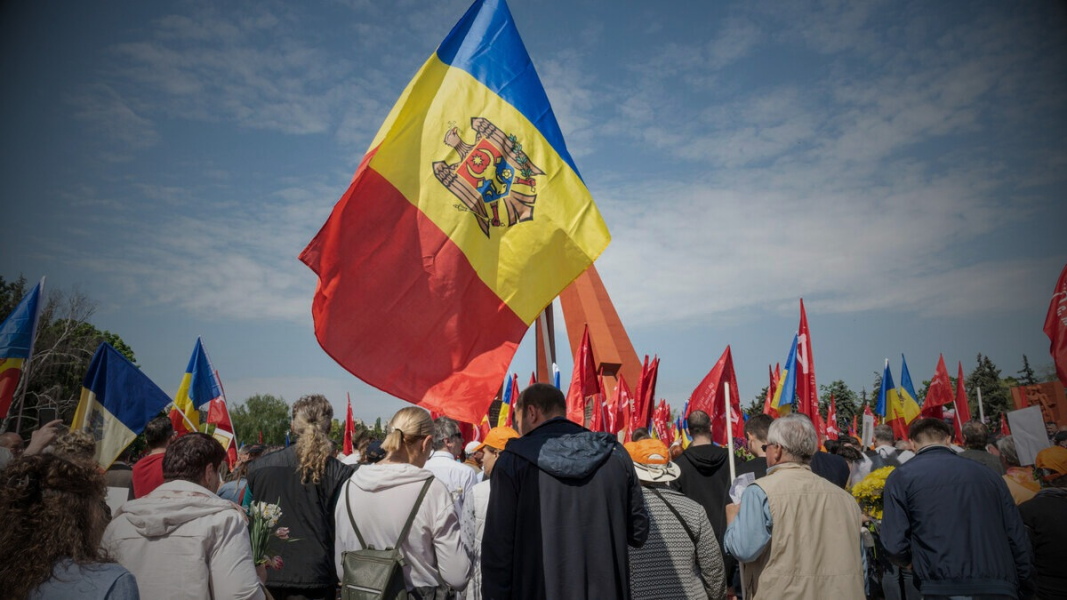
According to an analysis published by LifeSiteNews, the European Union has been pressuring Moldova to «advance» in modifying its constitution, which recognizes marriage solely between a man and a woman.
«The family is founded on the freely consented marriage between husband and wife, on the full equality of rights between both, and on the right and duty of parents to ensure the upbringing, education, and training of their children.» (art. 48. 2)
By imposing from outside a model alien to local tradition, the European Union seeks to condition the sovereignty of an Orthodox-majority country that has so far defended the natural family as a pillar of its national identity.
Moldova, an Orthodox bastion against LGBT ideology
Moldova, located between Romania and Ukraine, is a country deeply marked by its Orthodox faith. From its constitution to the society that maintains a predominantly opposed stance to the normalization of the LGBT agenda: according to a study, 85% of Moldovans would not accept having a homosexual family member and more than 60% would also not accept them as a neighbor or coworker.
The Orthodox Church of Moldova, led by Metropolitan Vladimir, has publicly denounced that the imposition of homosexual unions would constitute a national betrayal, promoting foreign values and the «propaganda of sin.» In 2023, Moldovan bishops expressly asked the government to reject any attempt to legalize same-sex couples.
Brussels and ideological conditionality
In June 2022, the European Union granted Moldova candidate country status, and in October 2024 the country approved a constitutional amendment by referendum that sets accession to the EU as a strategic objective. Since then, the Chisinau government has promoted a program of legal reforms to «align» with European standards, which in practice means incorporating the social and progressive policies promoted from Brussels.
This dynamic makes the pressure on gender ideology especially relevant: it is not just about technical requirements for economic or judicial integration, but about conditioning entry into the EU on the acceptance of a cultural agenda that breaks with the religious convictions and traditional identity of Moldovan society.
This type of initiative, presented as recommendations, acts in practice as diplomatic and ideological pressure on a country seeking to advance its community integration and that depends on European funds.
LifeSiteNews further denounces that, under the label of «aligning legislation with European standards,» political campaigns, sanctions, and harassment against priests and pro-family activists are being promoted, with the aim of breaking social resistance.
The clash between sovereignty and globalist agendas
The Moldovan case reveals a pattern that repeats elsewhere: the European Union does not limit itself to promoting economic cooperation or administrative reforms, but uses the accession process to impose a cultural agenda contrary to Christian tradition. For Moldova, accepting the LGBT agenda would mean not only a legal break with its own Constitution, but also a frontal clash with the conscience of the majority of its citizens and with the doctrine of its Church.
In short, Brussels’ pressure on Moldova is not an isolated gesture, but a sign of how European institutions seek to consolidate abortion, gender ideology, and «homosexual marriage» as unquestionable values of the continental project. For the Church and defenders of the family, the challenge is to clearly denounce that no political integration process can be built at the expense of faith, truth, and the dignity of natural marriage.