


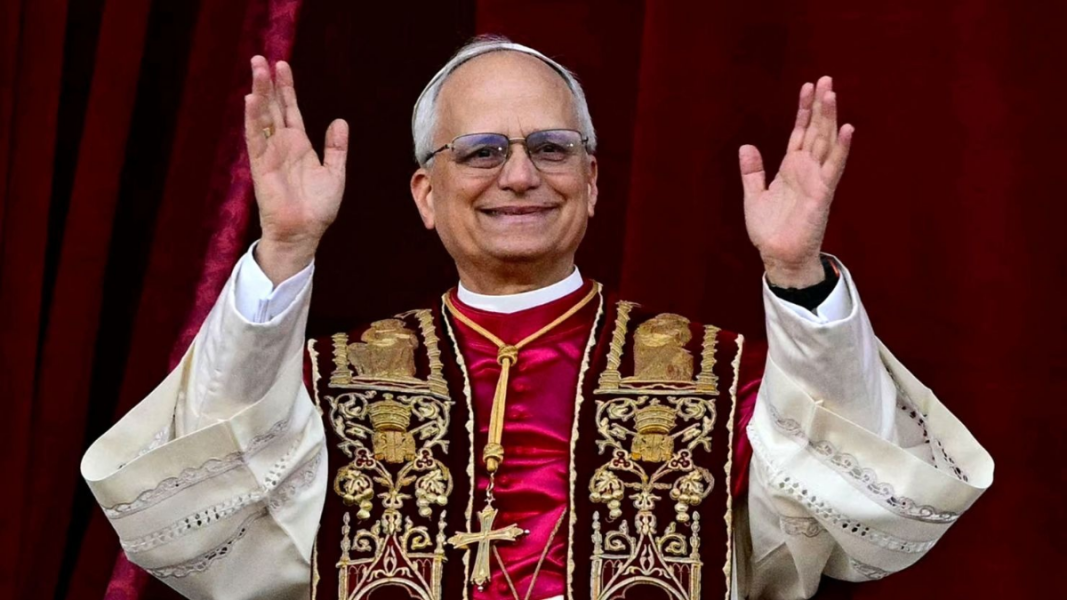
The Holy See’s Press Office confirmed this Tuesday, October 7, that Pope Leo XIV will undertake an apostolic journey to Turkey and Lebanon from November 27 to December 2. The first stage will take him to İznik (ancient Nicaea), on the occasion of the 1700th anniversary of the First Council of Nicaea, and subsequently he will visit Lebanon, responding to the invitation from the civil and ecclesiastical authorities of both countries.
Turkey: a return to the origins of the faith
The Pontiff will begin his visit to Turkey from November 27 to 30, making a pilgrimage to İznik, the historic Nicaea where in the year 325 the conciliar Fathers proclaimed the consubstantiality of the Son with the Father and drafted the Creed that the Church still prays at every Mass today. The symbolism of the journey is evident: the Pope comes to recall fidelity to the deposit of faith defined in that first ecumenical council, held in a land that was the cradle of Christianity and today is a scene of secularization and growing cultural tensions.
Lebanon: a country marked by instability
From November 30 to December 2, Leo XIV will travel to Lebanon, a nation with a Muslim majority but a historic Christian presence that is going through serious social, political, and economic challenges. In a country weakened by the institutional crisis, mass emigration, and demographic pressure on Christian communities, the Pope’s visit seeks to encourage the local Church and send a message of hope to the entire Middle East.
A journey of high symbolic content
The Holy See has not yet published the official program, which will be announced shortly, but the announcement already positions this journey as one of the most significant of the pontificate. Turkey and Lebanon are settings where the Christian faith has its roots and, at the same time, spaces where the Church is called to bear witness amid external pressures and increasingly reduced minorities.