


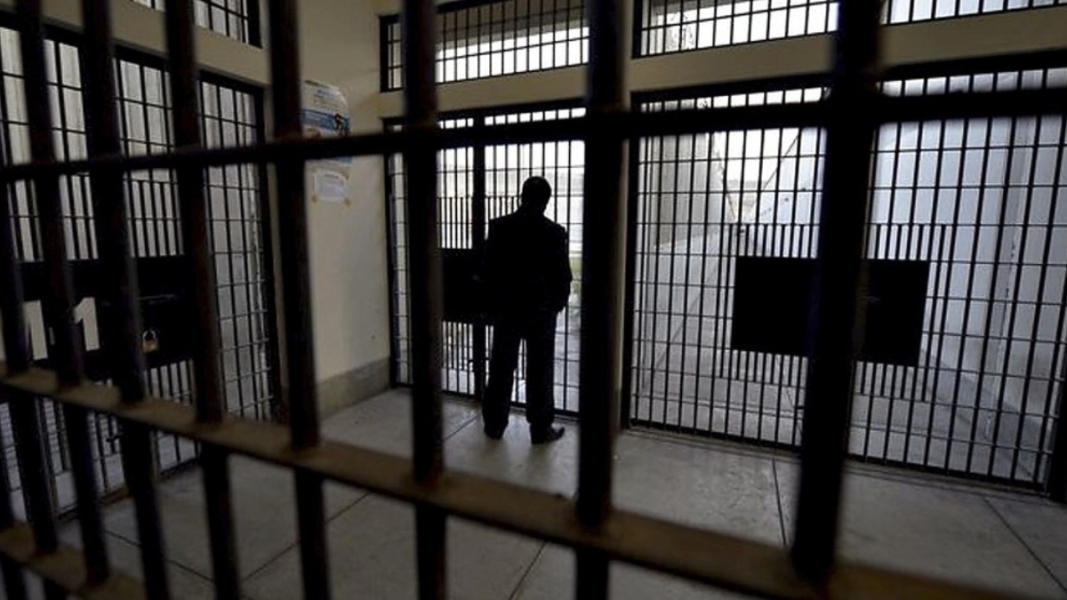
The Spanish Episcopal Conference presented the Memoria de Pastoral Penitenciaria 2024, a document that includes over 1,200 programs in prisons, nearly 3,000 collaborators, and an investment of 2.9 million euros. In its pages, the Church shows the commitment of chaplains and volunteers to the prisoners, with programs of religious, social, and legal assistance that reach thousands of inmates.
However, the report does not limit itself to exposing the pastoral work. It also enters into political assessments:
We also note a lack of institutional response to the growing population coming from other countries who are driven to commit crimes and serve their sentences in penitentiary facilities. The lack of family support, roots, social ties, and many of them at very young ages offers us a dark panorama on what response to give from social and community institutions. Furthermore, we see that this is aggravated by the growing political polarization and the unscrupulous use for electoral purposes of the migration problem, especially Maghrebi.
P. José Antonio García Quintana, sj
Director of the Department of Prison Pastoral Care of the CEE
Attention to the prisoner, yes; political stance, no
It is evident that Prison Pastoral Care must attend to the concrete reality of each inmate: loneliness, uprootedness, lack of family or social ties. In this sense, pointing out the situation of foreign inmates—who represent around one-third of the prison population—is legitimate and necessary.
But something very different is to affirm, as the Memoria does, that the migration problem in Spain is being “used unscrupulously for electoral purposes” and to attribute the difficulty of reintegration of certain groups solely to political polarization. That interpretation goes beyond what corresponds to a pastoral report.
The structural reality of immigration
In Spain, according to data from the Ministry of the Interior, there are more than 45,000 inmates, of whom one-third are foreigners. Among them, a considerable weight of Maghrebi inmates stands out, many young and with little roots. It is an objective reality that poses structural problems and is not resolved with ideological statements.
If there is a type of immigration that shows a greater propensity to crime, political and social analysis is essential, because the common good demands rigor. Disdaining that dimension, as the Memoria does, falls into a partial discourse that does not provide solutions and runs the risk of distancing Pastoral Care from people.
A mission that must focus on the essential
The Church has an irrenunciable task in prisons: to spiritually accompany prisoners, proclaim the Gospel, and offer human and sacramental support. That mission is what justifies the presence of chaplains, volunteers, and welcome houses.
When the report mixes levels—moving from pastoral to political discourse—it runs the risk of blurring its specific mission. The denunciation of medical shortcomings, accompaniment of inmates with mental illnesses, or help for female inmates with family burdens are part of the pastoral gaze. But ideological political analysis does not help: it obscures the truth, detracts from credibility, and dilutes the evangelical witness.
Between the Gospel and politics
Prison Pastoral Care does enormous work in difficult conditions, but its strength lies in showing Christ in the midst of prison, not in repeating diagnoses that sound like partisan headlines. Pointing out the uprootedness of immigrant prisoners is necessary; turning it into a political narrative about electoral polarization is confusing levels and reducing the effectiveness of the mission.
In a context where faith is scarce in the lives of inmates and chaplains are increasingly fewer, the priority should be to strengthen sacramental and pastoral presence. Anything else, no matter how committed it may seem, ends up distancing the Church from its essential mission and from the people it wants to serve.