


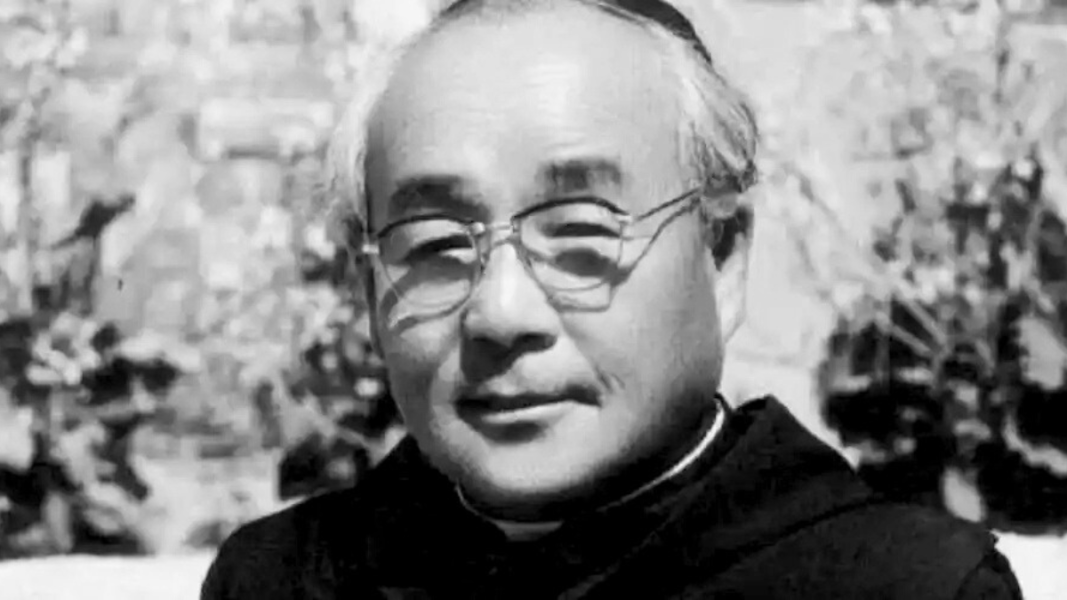
The Archdiocese of Seoul announced that the Holy See has granted the “Nihil obstat” for the start of the beatification process for Father Leo Bang Yu-ryong (1900-1986), a priest considered the initiator of indigenous Korean monastic life and deeply rooted in the spirit of the martyrs.
Nihil obstat from Rome for the Korean priest
Monsignor Job Koo Yoo-bi, auxiliary bishop of Seoul and president of the diocesan commission for beatification and canonization, joyfully confirmed that the archdiocese will now open the diocesan phase of the process. This stage will gather testimonies and documents on the heroism of virtues and the reputation of holiness of Father Bang Yu-ryong, who from this moment is recognized as Servant of God.
Catholic roots and monastic vocation
Born on March 6, 1900, into a Catholic family, Father Bang grew up in a Korea marked by persecution of Christians, first under the Joseon dynasty and later during Japanese rule. He entered the seminary in 1917 with the desire to become a priest, but soon discovered the need for monastic life to strengthen the local Church.
Ordained in 1930, he exercised his pastoral ministry in various parishes and distinguished himself by renewing youth pastoral care, introducing liturgical chant, and being close to those aspiring to religious life. From his early years, he showed a deep longing for total consecration and for founding religious communities proper to Korean culture and spirit.
Founder of indigenous congregations
On April 21, 1946, the first Easter Sunday after Korea’s liberation, Father Bang founded the first native female congregation: the Sisters of the Blessed Korean Martyrs. Its charism focused on perpetuating the memory of the martyrs as “ancestors in the faith” and transmitting the spirit of self-giving and fidelity to the Gospel.
In the following years, he established new religious branches: in 1953 the male congregation of the Blessed Korean Martyrs; in 1957 the Third Order of consecrated laypeople; and in 1962 the Society of the Sisters of the Palm of the Korean Martyrs, intended for married women and widows. Thus, he consolidated a broad spiritual family rooted in martyrial memory.
Life of consecration and spiritual legacy
Father Bang made his perpetual vows in 1957, transitioning from diocesan priest to consecrated religious. From then on, he dedicated his entire life to strengthening communities inspired by the Korean martyrs, spreading a spirituality based on prayer, silence, and service to others. He passed away on January 24, 1986.
In addition to his cause, the Archdiocese of Seoul is also promoting the beatification processes for Bishop Barthelemy Bruguière, the first apostolic vicar of Korea, and Cardinal Stephen Kim Sou-hwan, the first native cardinal of the nation.