


A “Madcool” that’s a bit weak
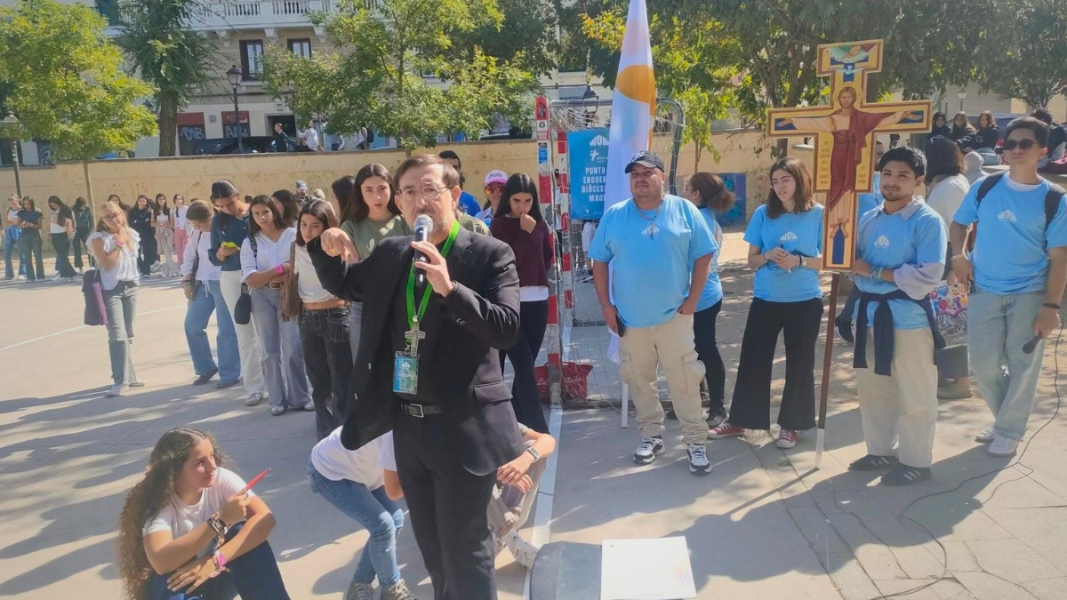
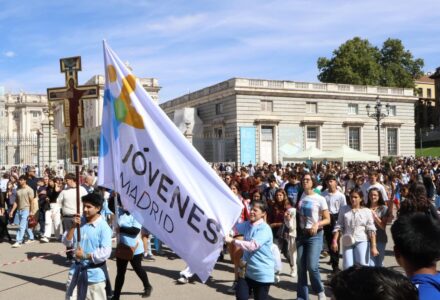
The idea was to make a Catholic Madcool, a kind of macro-festival of lights, music, and colorful t-shirts. But if you compete with the world on its own turf, it’s normal to lose. The problem isn’t so much that the WOW Fest is “bad”: what’s truly serious is that it’s harmless. It doesn’t touch the heart, doesn’t stir the conscience, doesn’t lead to the eternal. In the best of cases, it leaves the young people as they entered, or more bored.
Meanwhile, phenomena like Hakuna —regardless of what each person thinks about the movement— are growing because they emerge organically, because there’s something genuine. The WOW Fest, on the other hand, smells like an event designed in an office, with bureaucracy, a communications agency, inflated budget, and lots of photos for the diocesan memory, but without soul.
Transparency and self-criticism
It would be a minimum of honesty for someone to explain how much all this has cost, which agencies got the contract, what economic resources from the dioceses have been allocated. Because if the result is so poor, the faithful have the right to demand transparency.
The underlying problem is a structure of youth delegations that has spent decades grinding money and efforts into trying to “present itself to the world as a cool plan”. But young people don’t seek what’s cool. They seek what’s eternal, what’s true, what endures. If they’re offered a bad copy of a festival, the response will be the one we’ve seen: bad music, bad sound, bad lighting, cold and effeminate atmosphere. And, most worryingly, fewer and fewer young people.
They don’t get it
Fifty years have passed and the hierarchy still doesn’t get it. As long as they keep dedicating themselves to organizing “turkeys” like the WOW Fest, the result will always be the same: failure, wear and tear, and emptiness. And the most serious thing: another missed opportunity to show young people the only thing that can save them: Christ.
The German theologian Ulrich L. Lehner explains it well in his book «Dios no mola», reminding us that opposite the sweetened God of postmodernity is the true God of the Bible; opposite the nice God of self-help manuals is the paradoxical God – wrathful and merciful at the same time – of Catholicism; opposite the God who rewards us for our merits is the loving God who offers us the undeserved gift of grace; opposite the moralistic God is the God who takes us out of our comfort zone and calls us to adventure, transforming us. That’s the call that young people need, a clear one, without softeners or adornments.