


According to a study published by LifeSiteNews, priests who express greater approval toward Pope Francis are also more likely to justify homosexual practice, in open contradiction to the constant teaching of the Church.
The researcher Lucas Sharma, using data from the Survey of American Catholic Priests (2020-2021), concluded that “approval of Pope Francis is negatively associated with the belief that homosexual sex is always wrong”.
Factors Influencing Fidelity to Doctrine
The study identified other elements that condition priests’ moral stance on homosexuality. Among the factors that favor adherence to traditional Catholic doctrine are:
- Having been ordained in recent years.
- Holding conservative political positions.
- Not manifesting attraction to people of the same sex.
- Practicing traditional religiosity, measured by the frequency of praying the Divine Office, an obligation set by canon law.
The data reveal that young, conservative priests faithful to liturgical prayer are the staunchest defenders of Catholic teaching. In contrast, religious priests—more than diocesan ones—showed a greater tendency to relativize the immorality of homosexual acts.
An Immutable Doctrine in the Face of Papal Ambiguity
The Church teaches that homosexual acts are “intrinsically disordered” and constitute a grave sin. However, Francis’s pontificate has conveyed to many Catholics the impression that it is a secondary or even ambiguous matter.
The Pope encouraged this perception by supporting civil unions between homosexuals and by approving blessings of same-sex couples through the declaration Fiducia supplicans, decisions that contradict Sacred Scripture and the perennial magisterium.
Consequences in Ecclesial Life
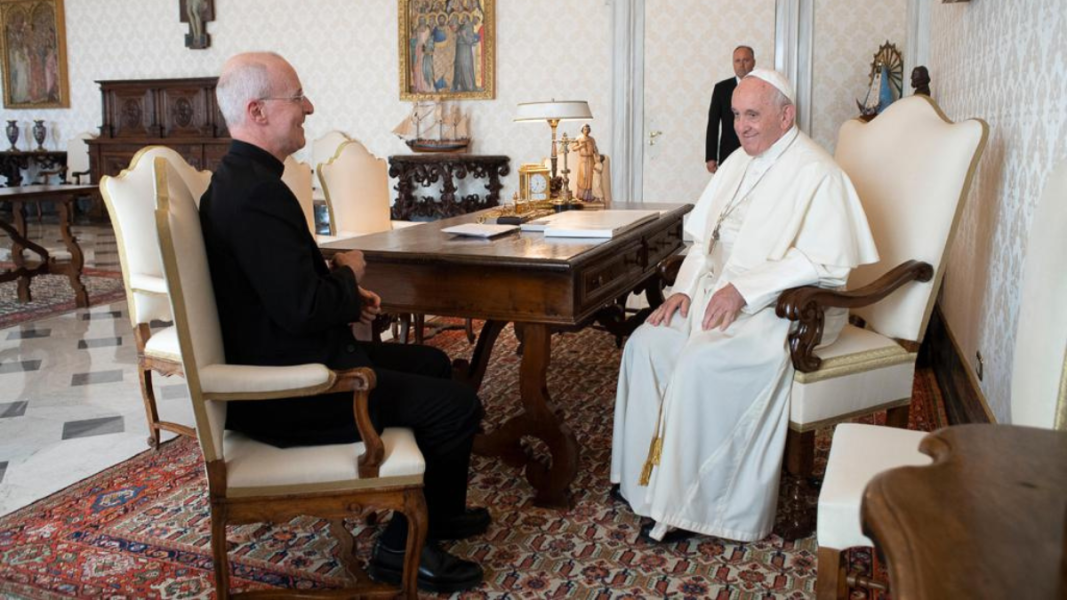
Following these signals, numerous priests publicly justified homosexual unions and blessings by invoking the Pope’s support. This is compounded by Francis’s closeness to LGBT activism promoters, such as the Jesuit James Martin, and ambiguous statements like the famous “Who am I to judge?”, a phrase that many interpreted as tacit approval of homosexual practice.
The study confirms that this ambiguity has had direct effects: the greater the support for Francis, the lesser the fidelity to the magisterium on issues of sexual morality.
Theological Criticisms and Necessary Corrections
In the face of these deviations, theologians, academics, and prelates have found themselves compelled to publicly recall the doctrine to counteract the confusion. In particular, they pointed out as grave errors the approval of homosexual civil unions and the assertion that one can receive Communion in a state of mortal sin.