


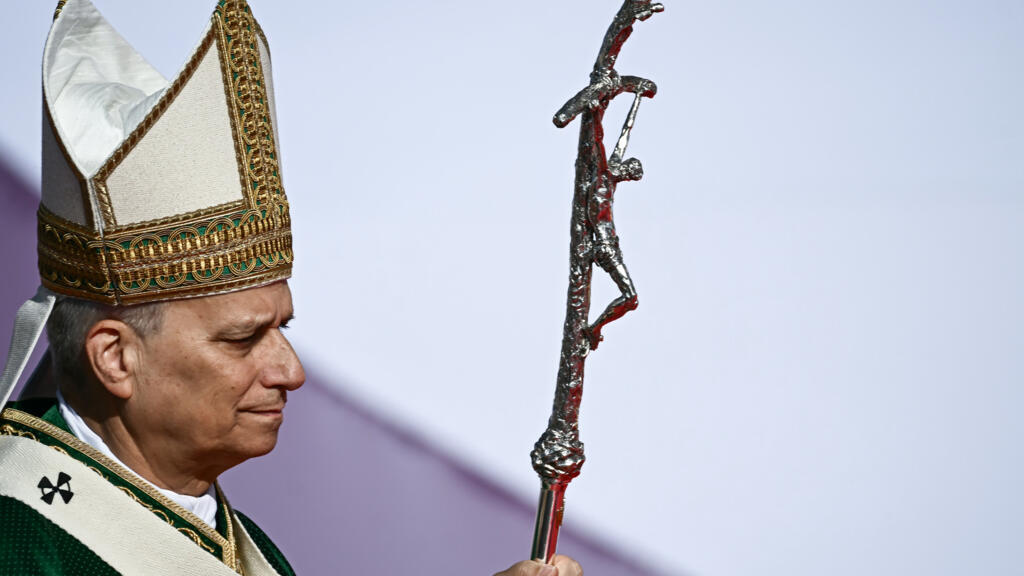
A case that reveals the Church’s wounds
The abuses occurred between 2018 and 2023 in the deacon’s school and pastoral environment. The judicial process culminated in 2024 with the conviction, and the case was passed to the disciplinary section of the Dicastery for the Doctrine of the Faith, which elevated the expulsion recommendation to the Pope.
The canonical penal process is independent of the state penal process, as it is governed by norms, purposes, and criteria specific to the Church. This autonomy implies that prescription, the investigation of facts, their assessment, and any eventual sanctions or reparations follow a logic different from that of common civil or penal law. For example, a penal process in the Church could never be considered concluded solely because the act is prescribed in the state penal sphere, since both orders are autonomous. At the same time, this independence does not prevent complementarity: while civil jurisdiction protects public order and individual rights, canonical jurisdiction seeks correction, intra-ecclesial justice, and the safeguarding of the ecclesial common good.
Leo XIV’s gesture aims to send a message of firmness, but it raises a fundamental question: do these sanctions always come too late, once civil justice has already acted? The Church insists on “zero tolerance,” but the faithful continue to demand more transparency in internal processes and greater speed in measures.
Italy, lagging in investigation
Italy has not yet launched a national investigation into abuses as France, Germany, or the United States have done. In this context, the papal decision is significant, although it also exposes the resistances of a country where ecclesial influence has stalled the opening of archives for years.
Frateschi’s expulsion does not erase the victims’ pain, but it does represent a turning point for a pontificate that begins under the pressure of this global scandal. Leo XIV has reiterated on other occasions that “the suffering endured cannot be erased” and that the Church must be in solidarity with those who suffered abuses.
A pontificate put to the test
The sanction arrives as the Pope faces his first international challenges. In statements reported by Infobae, Leo XIV admitted that diplomatic exposure has surprised him, but he emphasized that his mission is to confirm the faith of believers. However, the challenge of abuses remains the touchstone: words of closeness are not enough; decisive and sustained decisions over time are required.