


Through Religión Digital, a group linked to the Sodalicio de Vida Cristiana case has published an article in which, without shame, they order the Pope not to receive the mayor of Lima. Yes, the mayor of the second most populous city in Hispanoamérica. The very idea borders on the absurd. Receiving the mayor of a capital with more than ten million inhabitants is an elementary gesture of diplomatic courtesy. Attempting to veto that audience reveals to what extent this group fantasizes about having the Pope in their hands.
Who are they? José Escardó, a victim of the Sodalicio; the journalists Paola Ugaz and Pedro Salinas; Ellen Allen, also a victim and journalist. And, in the background, Jordi Bertomeu, an official of the Dicastery for the Doctrine of the Faith and sent by Francisco to Peru to intervene in the Sodalicio, after it became known that its founder was a serial abuser.
It is worth emphasizing: the Sodalicio was a disaster. Abuses, spiritual manipulation, hidden assets, and undue ecclesiastical power. Its suppression was more than justified, and those who denounced those crimes deserve recognition.
But what started as a legitimate cause is veering into something strange. Instead of focusing on the urgent—legally recovering the Sodalicio’s assets and allocating them to the victims—the group disperses into theatrical gestures and staged performances. What is needed is a good team of lawyers and a serious commercial process to lift the corporate veil. And what we have are… red-carpet premieres.
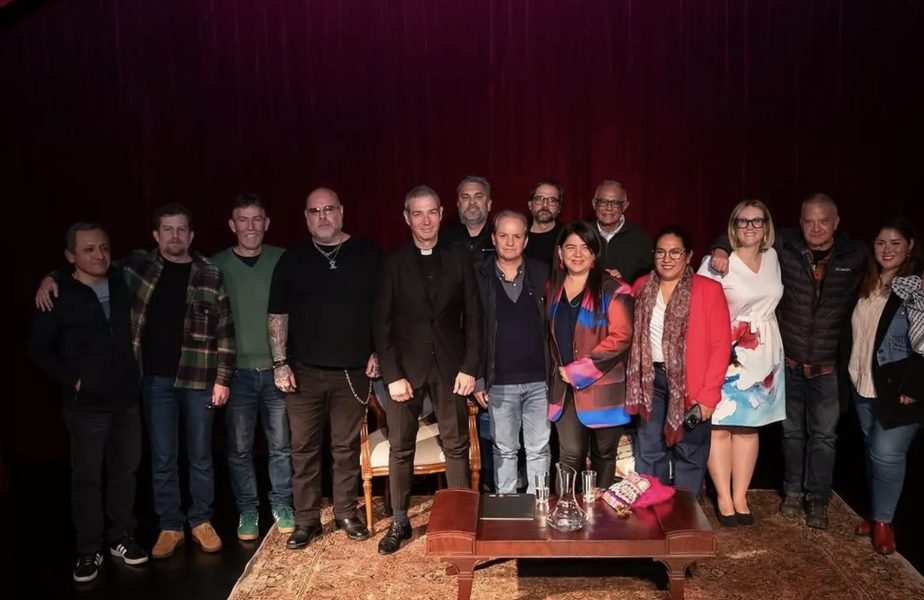
There is the most grotesque example: a play in Lima titled Proyecto Ugaz, where the denunciation turns into performance art. Bertomeu attended the premiere, where he even read a letter from the Pope aloud in public. Does justice for the victims really pass through applause and final curtain?
To that are added Escardó’s open letters, private messages to the Pope displayed as trophies, and constant news about personal quarrels. Everything conveys more obsession with protagonism than willingness for reparation.
And, to top it off, they choose Religión Digital as their mouthpiece. A media outlet that lives off attacking the magisterium, spreading heresies, and flirting with schism. Turning it into the spokesperson for the cause only detracts from seriousness: what should be a claim for justice ends up looking like a pressure campaign against León XIV.
In the end, the message is clear: this group wants us all to believe that the Pope dances to their tune. They strut about their access, display their letters, and portray themselves as owners of the board. Do they really know something about León XIV that the rest of us ignore, or have they simply convinced themselves that the Pontiff is already a secondary character in their theatrical production?