


Recent events have highlighted two ways of understanding the relationship between the Christian and those who harass or even destroy him. In a few hours, we have seen, on one hand, the call of Pope Leo XIV to a “culture of reconciliation” where it is affirmed that “there are no enemies: there are only brothers and sisters.” And on the other, the reaction of Bishop Joseph Strickland inviting prayer for Charlie Kirk’s assassin, with deeply evangelical words: “The greatest tribute we can pay to Charlie is to pray that his assassin converts to Jesus Christ, Our Lord and Savior.”
Both messages stem from an authentic pastoral concern, but they do not mean the same thing. And here a fundamental theological issue is at stake that is not secondary: do enemies exist or not?
Scripture and the Enemy
Biblical language is clear. From the Psalms to the Pauline epistles, Scripture speaks again and again of the “enemy.” Psalm 42, with which the traditional Latin Mass begins, places on the lips of the priest: “Judge me, O God, and defend my cause against an ungodly people; deliver me from the deceitful and unjust man” (Ps 42:1). The Psalter is abundant in supplications against those who harass the just. Jesus himself, in the Gospel, does not deny the existence of enemies, but precisely by recognizing them as such, teaches something unheard of: “Love your enemies and pray for those who persecute you” (Mt 5:44).
If there were no enemies, this command would lose all its edge. Loving a brother who loves you is not difficult nor does it require special grace; loving those who persecute you, who wish you harm, who hate you, does. The merit and the radicality of the Gospel are found here.
The Danger of Naivety
Saying that “there are no enemies” may sound compassionate, but theologically it is problematic. Christian revelation is not naive regarding the existence of evil. There is an enemy par excellence—Satan, the adversary—and there are people who, to a greater or lesser extent, align themselves with evil and act in its name. Denying this reality disarms the Christian of the spiritual vigilance to which the New Testament continually invites: “Be sober and vigilant: your adversary the devil, as a roaring lion, walks about seeking whom he may devour” (1 Pet 5:8).
The history of the Church is marked by persecutions, martyrs, and hostility. The Lord warned: “If they have persecuted me, they will also persecute you” (Jn 15:20). In that sense, the teaching that there are no enemies is not only naive but dangerous: it exposes the Christian community to losing awareness of the real spiritual battle in which it is engaged.
Loving the Enemy: The Christian Paradox
The greatness of the Gospel does not lie in denying enmity, but in transforming the relationship with the enemy. Bishop Strickland, in his tweet, expresses this truth with evangelical bluntness: recognizing that an assassin is an enemy, and yet praying for him, asking for his conversion, seeking his good. It is not about sweetening reality, but transcending it by grace.
Here is found the authentic theology of Christian love: the enemy is real, and for that very reason, the call to desire his salvation is even more real. Those who persecute us do not cease to be persons loved by God and redeemed by the blood of Christ. Denying their condition as enemies makes Christ’s command irrelevant. Affirming their enmity, but loving them, is the radicality that scandalized the ancient world and continues to be a stumbling block.
Christian theology cannot afford superficiality or naivety. Yes, we have enemies, as Scripture teaches and as the historical experience of the Church demonstrates. But the victory of the Gospel consists in not hating them, but in desiring their good and their conversion. On this point, Bishop Strickland’s stance aligns better with the biblical and patristic tradition than the overly naive discourse of Pope Leo XIV.
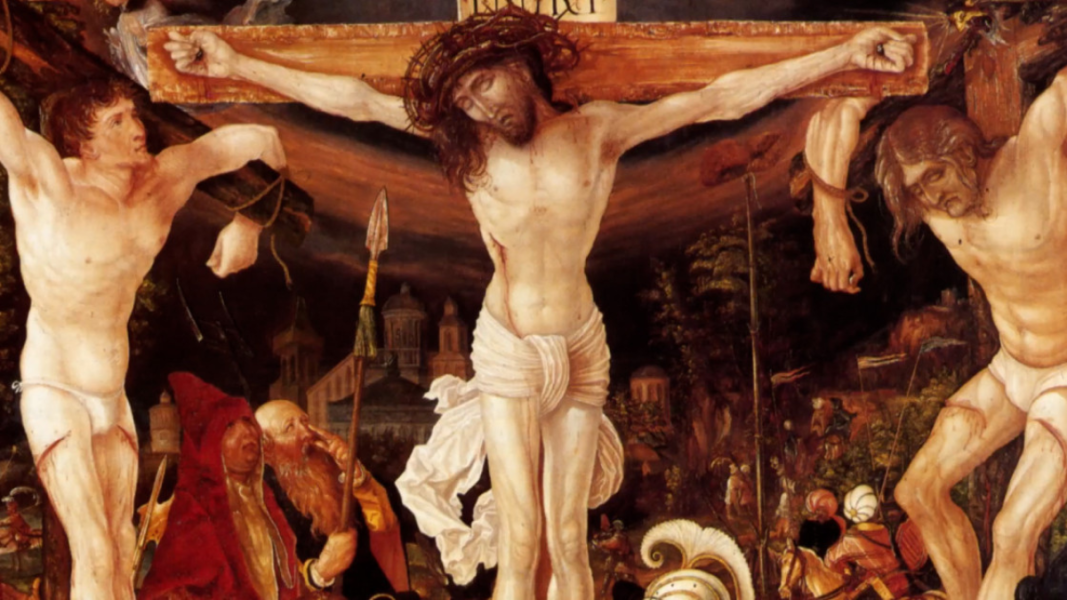
Christianity does not dilute evil nor hide it under words of abstract fraternity. It faces it head-on: it recognizes the enemy, and precisely because it recognizes him, it dares to love him. That is the glorious paradox of the cross and the authentic radicality of the Gospel.