


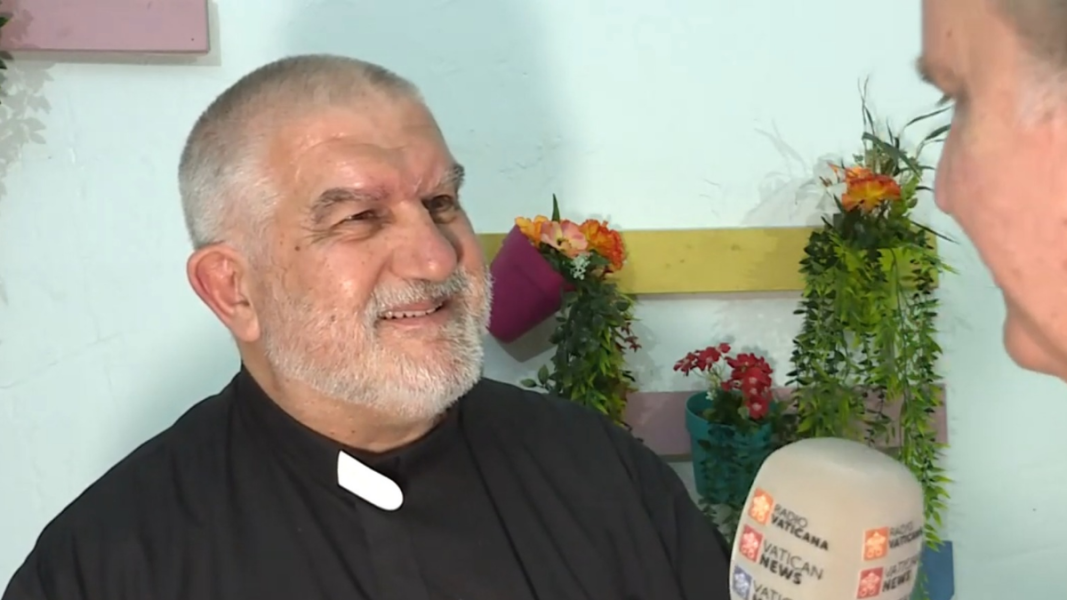
Pope Leo XIV has accepted the resignation of Mons. Carmel Zammit as Bishop of Gibraltar and has appointed Mons. Charles Azzopardi, until now rector of the Shrine of Our Lady of Europe and parish priest of Santa Teresa, as his successor at the head of the Gibraltarian diocese.
Mons. Carmel Zammit presents his resignation
The Holy See announced on this September 12 the acceptance of the resignation presented by Mons. Carmel Zammit, who assumed the pastoral government of Gibraltar in 2016. During these years, he distinguished himself by promoting parish life and accompanying the Catholic community in a border territory marked by cultural diversity.
The profile of the new bishop
Mons. Charles Azzopardi was born in Gibraltar on April 20, 1962. Before entering the seminary, he worked in the civil sector, then began his ecclesiastical formation at New Creation in Liverpool (United Kingdom), Miltown Institute of Theology and Philosophy in Dublin (Ireland), and the Pontifical Urban College “de Propaganda Fide” in Rome.
He was ordained a priest on August 6, 1992, for the clergy of the Diocese of Gibraltar. Since then, he has served in various pastoral responsibilities: he was parish vicar of the Cathedral of Santa Maria Incoronata (1992-1998) and school chaplain in several educational centers, including St. Anne’s, Notre Dame Primary School, Westside, and Bayside Comprehensive Schools (1998-2010).
Pastoral service in the diocese
Since 1998, he has been parish priest of Santa Teresa and, simultaneously, rector of the Shrine of Our Lady of Europe. He has also carried out tasks of great social closeness as director of Nazareth House and responsible for Mensa dei Poveri, a charitable service for the most needy in the diocese.
A new pastor for Gibraltar
With this appointment, Pope Leo XIV entrusts Mons. Azzopardi with the mission of guiding a diocese marked by its international character and its role as a strategic enclave in the extreme south of Europe. His pastoral trajectory, deeply linked to Gibraltar and to direct care for the faithful, offers continuity and closeness in the governance of the local Church.